Indoor vs. Outdoor Cycling: Which Ride Fits Your Fitness Goals?

When it comes to getting fit on two wheels, indoor vs outdoor cycling is a comparison that sparks debate among fitness enthusiasts. Both styles offer powerful cardio workouts, muscle toning, and calorie-burning benefits, but they deliver those results differently. Whether you prefer the structured rhythm of an indoor cycling bike or the open-road thrill of outdoor cycling, each method has its strengths.

Understanding the differences, advantages, and how to get the most from each option helps you shape a routine that aligns with your lifestyle. From the benefits of cycling in gym to the mental stimulation of navigating trails and roads, this guide breaks down the full picture of indoor vs outdoor cycling.

Indoor vs Outdoor Cycling: Choosing the Best Ride for You

Cycling is a time-tested workout for cardio, strength, and endurance. But in the debate between indoor vs outdoor cycling, the answer isn’t always clear-cut. It depends on your goals, preferences, schedule, and environment. Let’s break it down to see how both styles stack up in performance, convenience, and overall fitness impact.

Indoor Cycling Benefits: Structure, Safety, and Control

Indoor cycling benefits include a controlled environment that allows you to focus solely on your performance. Whether you’re at home or in a studio, there’s no weather, traffic, or road hazards. You get consistent resistance levels, guided routines, and a time-efficient way to work out.

Many riders use an indoor cycling bike to build strength, burn calories, and stay on track regardless of the season. It’s an excellent choice for beginners, busy individuals, or anyone recovering from injuries. The benefits of cycling in gym include access to professional instructors, heart-pumping music, and the motivation of a group setting.

If you’re looking to upgrade your home gym, choosing the best indoor cycling bike ensures better results. Features like adjustable resistance, ergonomic design, and digital tracking make your ride more effective.

Benefits of Cycling Class: Motivation and Group Energy
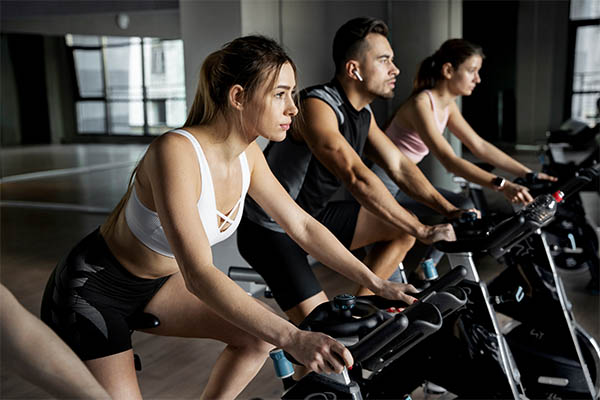
People doing indoor cycling in class

There’s something energizing about sweating it out with others. One of the top benefits of cycling class is the motivation it delivers. With a trained instructor pushing you, your performance tends to improve. Classes often include interval training, endurance rides, and climbs that mimic outdoor terrain.

Instructors guide proper form and technique, helping reduce the risk of injury. Group classes also bring accountability, making it harder to skip a session. The community spirit adds an element of fun, and consistent attendance leads to measurable fitness gains.

Cycling Machine Benefits: Low Impact, High Intensity

The cycling machine benefits are extensive. Whether you’re using a stationary bike at home or in a gym, these machines deliver a high-intensity workout with low impact on your joints. It’s ideal for all fitness levels—from beginners to seasoned athletes.

Indoor bikes are also great for cross-training. You can pair them with strength sessions or yoga for a complete fitness plan. With adjustable resistance, built-in workout programs, and heart rate monitors, they help you track progress and stay motivated.

Outdoor Cycling: Freedom, Fresh Air, and Adventure
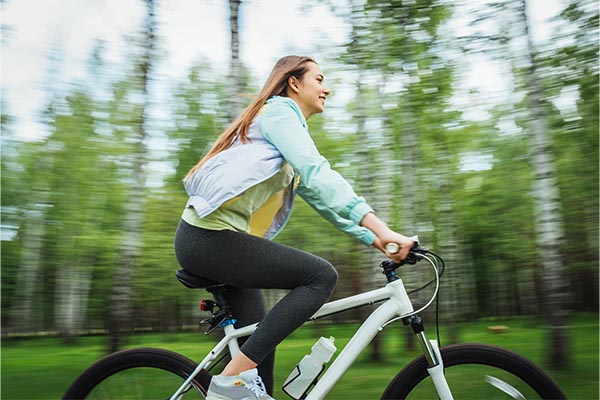
Happy girl cyclist riding on a mountain bike outside. Adventure travel.

While indoor options offer structure, outdoor cycling brings a sense of freedom. You can explore nature, breathe fresh air, and enjoy constantly changing scenery. It’s more than just a workout—it’s an experience.

Outdoor rides engage additional muscles, especially your core, due to balance and terrain variation. Navigating hills, wind resistance, and rough roads adds to the challenge and effectiveness. Mental health also gets a boost from exposure to sunlight and open spaces.

Unlike indoor routines, outdoor cycling comes with variables like weather and traffic. You need to invest in a good bike, safety gear, and plan routes wisely. Still, for many riders, the benefits outweigh the unpredictability.

Comparing Indoor vs Outdoor Cycling for Long-Term Fitness

 The choice between indoor vs outdoor cycling depends on your goals and lifestyle. Indoor cycling offers convenience, safety, and structured workouts with features like resistance control and group classes. It’s ideal for consistent training, regardless of weather.

Outdoor cycling adds adventure, scenic variety, and natural resistance from changing terrains, but it requires more caution and maintenance. Both options burn calories, improve heart health, and build endurance. A mix of both can give you the perfect balance of motivation and results.

Finding the Best Indoor Cycling Bike for Your Goals
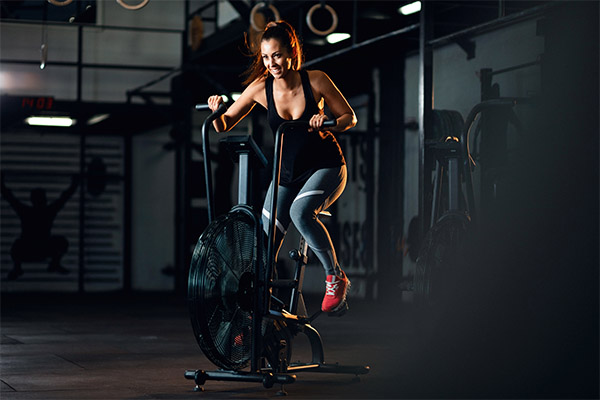
young happy athletic woman practicing on exercise bike during cross training in a gym

To make the most of your indoor sessions, finding the best indoor cycling bike is essential. Look for:

  • Adjustable Resistance: Simulates different terrains and intensities.
  • Comfortable Design: Ergonomic seat and handlebar positioning.
  • Sturdy Build: For safety and long-term use.
  • Digital Display: To track distance, speed, and calories burned.

Whether you’re spinning at home or hitting the studio, the right indoor cycling bike enhances every session. Pair it with your favorite playlist or a guided app, and your ride becomes both effective and enjoyable.

Your Ideal Ride Starts with NineFit
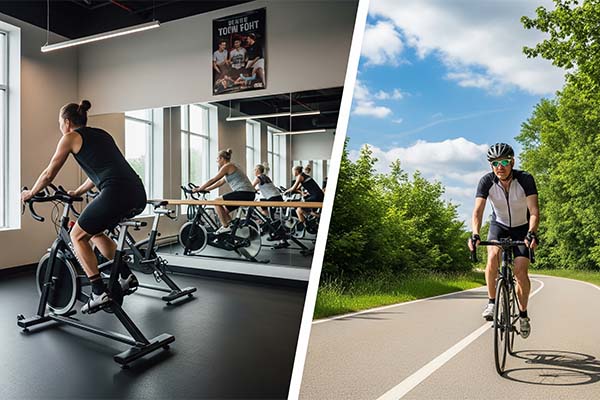
Indoor vs Outdoor Cycling

Choosing between indoor vs outdoor cycling doesn’t have to be a battle. Both styles offer incredible health benefits, and your decision can vary based on the day, mood, or season. From the motivating benefits of cycling class to the immersive joy of outdoor cycling, your fitness journey can include both paths.

With NineFit’s expertly curated selection of fitness equipment, you can bring the cycling machine benefits straight into your home. Explore options to find the best indoor cycling bike that fits your space, style, and goals.

Visit NineFit today and start pedaling your way to better fitness.

Stay Fit on a Road Trip: Simple Travel Fitness Tips That Work

Long road trips are exciting adventures, but they often come with one major challenge—maintaining your health and fitness. Whether you’re cruising through scenic routes or making quick pit stops, being on the road doesn’t mean your fitness routine has to come to a halt. With a bit of planning and creativity, travel fitness can be simple, fun, and incredibly effective. Here’s how to stay fit while traveling, especially during those long drives.

Why Travel Fitness Matters

When you’re on the road, your body spends hours in the same position, often leading to stiffness, fatigue, or even bloating from long periods of inactivity. Staying active during your trip not only boosts your energy but also keeps your metabolism humming and helps reduce travel stress. Learning how to stay fit while traveling is all about adapting your usual routine to a mobile, unpredictable environment.

How to Stay Fit on Vacation Without a Gym

One of the biggest misconceptions about travel fitness is that you need a gym to stay in shape. That couldn’t be further from the truth. With your body weight, a little space, and some determination, vacation workouts can be just as impactful. Here are a few simple ideas on how to stay in shape on vacation:

  • Bodyweight exercises: Think squats, lunges, push-ups, and planks. These require no equipment and can be done at any rest stop.
  • Walk whenever possible: Whether it’s exploring a small town or stretching your legs at a scenic overlook, walking is a great way to stay active.
  • Use resistance bands: Lightweight and portable, resistance bands can add a lot of value to your workouts on the go.

Roadside and Car Workouts You Can Actually Do

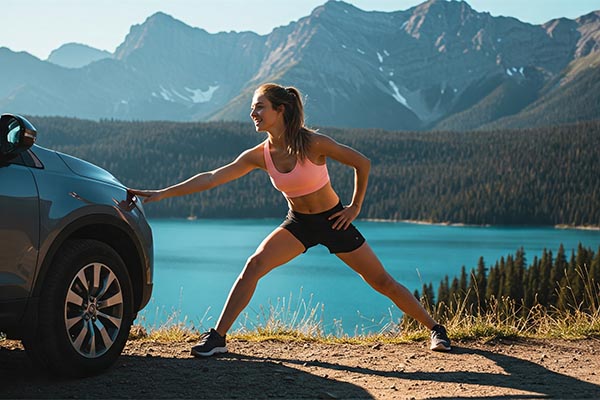
Woman doing exercise during travelling

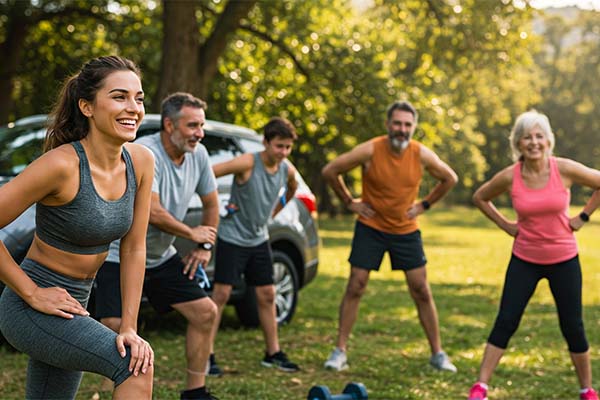
If you’ve ever wondered how to workout while traveling in a car for hours, you’re not alone. Staying fit doesn’t have to mean stopping for hours. Whether you’re on a family road trip or traveling with older companions, incorporating low-impact routines and age-friendly movement can go a long way. Simple stretches or modified vacation workouts ensure everyone stays energized. Here are a few quick car workouts and stretches you can do to keep your blood flowing:

  • Car stretches: Every 2–3 hours, stop and do some neck rolls, side bends, shoulder rolls, and quad stretches to prevent stiffness.
  • Isometric exercises: While sitting, you can contract and hold your glutes, thighs, and core muscles for 10–15 seconds at a time.
  • Standing stretches: After getting out of the car, stretch your hamstrings and calves by placing your foot on a low surface and leaning forward.

Boost Balance on the Road with Backward Walking

If you’re stopping for a break or staying overnight, try incorporating a walking backwards workout into your routine. It might sound unconventional, but walking backwards helps improve balance, strengthens leg muscles, and engages different muscle groups that aren’t used as much in forward walking. It’s a low-impact yet effective way to add variety to your travel fitness routine. Just make sure the area is safe and free of obstacles!

Vacation Workouts That Don’t Feel Like a Chore

The best vacation workouts are the ones that don’t feel like workouts at all. Make your movement fun by engaging in activities that suit your destination:

  • Beach activities: Swimming, paddleboarding, or even a brisk walk in the sand can be a full-body workout.
  • Hiking trails: Great for cardio and leg strength, hiking also lets you connect with nature.
  • City sightseeing: Walk instead of taking cabs. You’ll burn calories and see more.


Tips for Staying Consistent

travel fitness

Knowing how to stay fit on vacation comes down to one thing — consistency. Here’s how to keep yourself accountable:

  • Schedule time to move: Even if it’s just 15 minutes in the morning, carve out a window each day to stretch or do a few exercises.
  • Pack light equipment: Resistance bands, a jump rope, or even a yoga mat can go a long way.
  • Hydrate and eat smart: Staying hydrated and choosing balanced meals help support your travel fitness goals.


Final Thoughts

Traveling doesn’t mean leaving your fitness behind. With a little creativity and motivation, you can build healthy habits that keep you feeling energized throughout your road trip. From quick car stretches to adventurous vacation workouts, you’ll return home refreshed—not sluggish.

Ready to hit the road? Stay strong, stay moving, and keep your fitness goals alive no matter where the journey takes you. Explore more wellness-focused travel tips and essentials on NineFit to stay fit and energized—wherever the road takes you.

Indoor and Outdoor Climbing: Essential Rock Climbing Gear for Every Climber

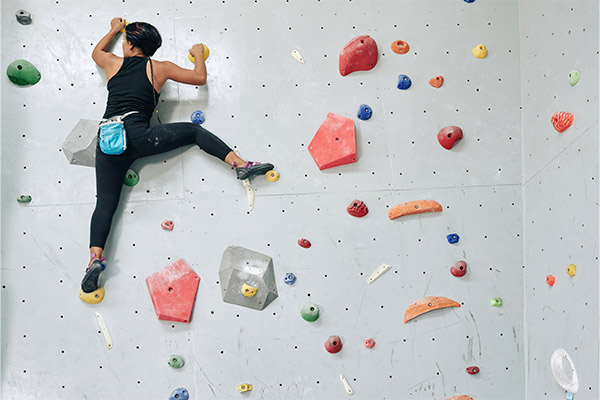
Whether you’re scaling a cliff face or conquering a gym wall, the right rock climbing gear makes all the difference. Rock climbing has gained immense popularity, not just for the thrill it brings but also for the full-body workout it offers. From outdoor climbing to indoor climbing for kids, the sport appeals to all ages and skill levels. But before diving into this adrenaline-packed activity, it’s essential to understand what is rock climbing and how the right gear sets you up for success and safety.

Let’s explore the different styles of climbing, the comparison between bouldering vs rock climbing, and a comprehensive guide to the best rock climbing equipment for both indoor and outdoor climbing adventures.

Rock Climbing Gear: What You Need for Indoor and Outdoor Climbing

Having the correct rock climbing gear is crucial, regardless of where you’re climbing. For beginners, it’s helpful to start indoors to build technique and confidence. However, outdoor climbing brings in elements like weather, natural surfaces, and more technical challenges, requiring additional preparation and equipment.

Understanding What is Rock Climbing

What is rock climbing? At its core, it’s the sport of ascending natural rock formations or artificial rock walls using physical strength, technique, and strategic gear. It includes various forms like bouldering, top-roping, lead climbing, and free climbing. Each type demands a different approach and specific rock climbing gear.

Key Differences: Bouldering vs Rock Climbing

The debate of bouldering vs rock climbing often comes up in climbing circles. Bouldering involves short climbs without ropes, typically on lower walls or rocks, with crash pads for safety. Traditional rock climbing, on the other hand, usually involves ropes, harnesses, and higher ascents.

Bouldering focuses more on power and problem-solving in brief bursts, while rock climbing emphasizes endurance, route planning, and climbing strategy. Understanding this difference helps in selecting the right rock climbing equipment for your needs.

Indoor Rock Climbing Equipment: What to Know

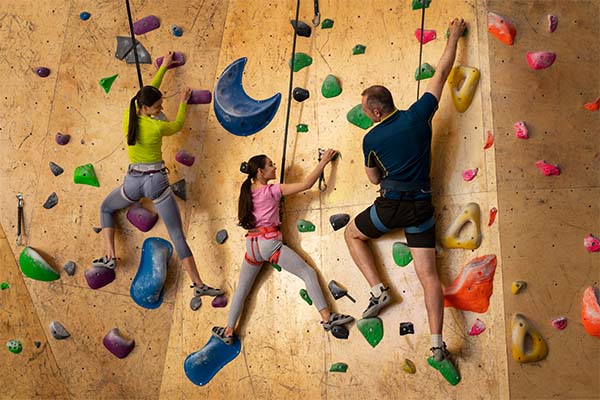
Family rock climbing together indoors at the arena

Indoor climbing gyms have made climbing accessible and safe for all. Whether you’re starting or introducing indoor climbing for kids, gyms provide a controlled environment for practice and skill development.

Here’s a basic list of indoor rock climbing equipment:

  • Climbing Shoes: Offer grip and toe control on holds.
  • Chalk Bag: Keeps hands dry for better friction.
  • Harness: Secures the climber during roped activities.
  • Belay Device: Assists in rope management and safety.
  • Helmet: Optional indoors but recommended for beginners.

For indoor climbing for kids, gear should be appropriately sized. Many gyms offer rental gear, but owning personal rock climbing gear ensures better fit, comfort, and hygiene.

Outdoor Climbing Essentials: Rock Climbing Outside Safely

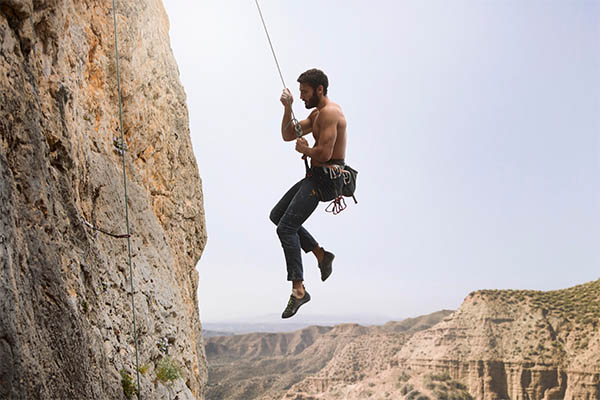
Strong man climbing on a mountain

Rock climbing outside is an entirely different experience. Nature adds unpredictability, making it essential to be well-prepared with the right rock climbing equipment. While the foundational gear remains the same, outdoor settings demand extras for safety and performance.

Must-Have Rock Climbing Gear for Outdoor Climbing

  1. Climbing Shoes: Designed for different terrains; stiffer soles help on rough surfaces.
  2. Helmet: A non-negotiable for protection against falling rocks and debris.
  3. Harness & Belay Device: Needed for rope-based climbs.
  4. Ropes: Choose dynamic ropes for shock absorption during falls.
  5. Quickdraws: Essential for sport climbing to secure the rope to bolts.
  6. Crash Pads: For bouldering, they cushion falls and reduce injury risk.
  7. Chalk & Chalk Bag: To maintain grip in varying weather conditions.

Don’t forget weather-appropriate clothing, a first aid kit, and plenty of water. Outdoor climbing requires more than just strength—it demands preparation and awareness.

Indoor Climbing for Kids: A Fun and Safe Start

Indoor climbing for kids offers a perfect gateway into the world of climbing. It builds confidence, strength, focus, and coordination. Many climbing gyms offer age-specific classes and safety-first programs that ease kids into basic climbing techniques using scaled-down rock climbing gear.

Look for lightweight harnesses, smaller climbing shoes, and colorful, kid-friendly walls. Proper supervision and instruction ensure that climbing becomes both a fun activity and a valuable skill set.

Making the Most of Your Rock Climbing Gear

Indoor and Outdoor Climbing

Choosing the right rock climbing gear isn’t just about performance; it’s about safety and confidence. When your equipment fits well and supports your climbing goals, you’ll climb smarter and push your limits safely.

Here are some tips to maximize your gear investment:

  • Prioritize Fit: Especially for shoes and harnesses.
  • Maintain Regularly: Inspect ropes and carabiners for wear.
  • Start Simple: Buy essential gear first, then expand as your skills grow.
  • Seek Expert Advice: Especially when transitioning from indoor to outdoor climbs.

Always remember that even the best gear can’t replace technique, focus, and proper training. Combine all three, and your climbing experience will be safer and more rewarding.

Reach New Heights with NineFit’s Climbing Essentials

Indoor and Outdoor Climbing essentials

Rock climbing is more than just a sport—it’s a test of mental grit, physical strength, and strategic thinking. Whether you’re tackling gym walls or venturing into the wild, having the right rock climbing gear empowers every move. From indoor rock climbing equipment for gym sessions to outdoor essentials for scaling natural rock formations, NineFit supports climbers of all levels.

Explore the difference between bouldering vs rock climbing, get your kids started with indoor climbing for kids, and enjoy the many challenges of rock climbing outside. With the proper rock climbing equipment, each route becomes an opportunity to grow stronger, more skilled, and more connected to the climb.

Visit NineFit to gear up for your next climbing adventure today.

Improve Your Posture: 10 Posture Exercises to Transform Your Alignment

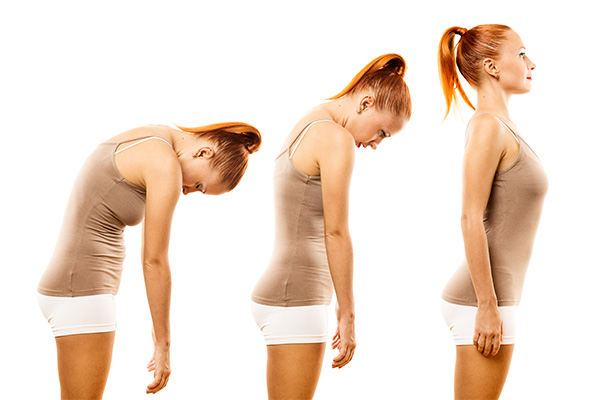
If you’ve ever caught yourself slouching at your desk or walking with rounded shoulders, you’re not alone. Poor posture is one of the most common issues people face today, especially those working long hours in front of a screen. Fortunately, you can change that with consistent posture exercises. Whether you’re dealing with a stooped posture or simply want to stand taller and feel stronger, posture exercises offer a powerful solution. With daily effort and targeted movement, posture therapy can help reverse years of misalignment.

Why Posture Exercises Are the Key to Better Health

Improving your posture isn’t just about looking confident. It’s about how your body functions, feels, and ages. The benefits of good posture extend far beyond aesthetics. Proper alignment can reduce pain, improve breathing, boost energy, and enhance mood. Posture exercises train your muscles to support your spine naturally and efficiently.

When the body falls into a stooped posture, your spine curves unnaturally, putting strain on your neck, back, and shoulders. Over time, this can lead to chronic pain and reduced mobility. Posture correcting exercises target the muscles that hold your body upright—especially your core, glutes, shoulders, and upper back. With dedication, you can reverse the effects of poor alignment.

Many people ask, how long does it take to fix your posture? The answer depends on your starting point and how consistently you practice. For most, noticeable improvement begins within a few weeks, while lasting change can take a few months. The good news? The journey begins with simple posture exercises you can start today.

Best Posture Exercises and Stretches for Better Alignment

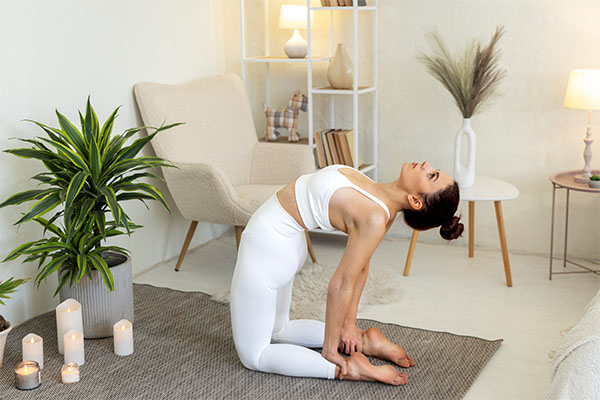
Young woman practicing yoga posture exercises

You don’t need fancy equipment to get started with posture exercises. A mat, a resistance band, or even a towel will do. Below are the best posture correcting exercises and posture stretches to open tight muscles and strengthen the weak ones.

1. Wall Angels

Wall angels are excellent posture exercises that target the upper back and shoulders. Stand with your back flat against a wall. Keep your arms at 90 degrees, elbows and wrists touching the wall. Slowly raise your arms up and down like you’re making a snow angel. Repeat 10–12 times.

2. Cat-Cow Stretch

A favorite in posture therapy, this dynamic movement loosens up the spine. On all fours, arch your back (cat), then drop your belly and lift your chest (cow). This is one of the best posture stretches for spinal mobility.

3. Chin Tucks

Combat forward head posture with chin tucks. Sit or stand tall, and gently pull your chin straight back (not down). Hold for 5 seconds. Repeat 10 times. It’s a simple move with major posture-correcting benefits.

4. Shoulder Blade Squeeze

Sit or stand with your back straight. Squeeze your shoulder blades together and hold for 5 seconds. Release and repeat 10–12 times. This strengthens the postural muscles between your shoulder blades.

5. Plank

Woman exercising on a mat

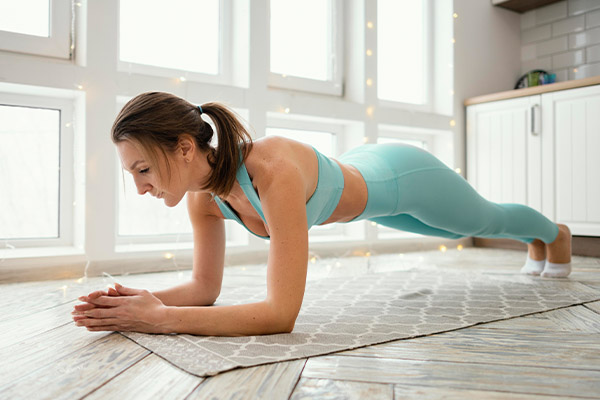
The plank isn’t just a core workout—it’s a key part of posture therapy. A strong core supports spinal alignment. Hold for 30–60 seconds. Be sure to keep your neck neutral and hips level.

6. Superman Hold

Lie face down with your arms and legs extended. Lift them off the ground and hold for 10 seconds. This powerful move strengthens the entire posterior chain and is an excellent addition to your posture exercises routine.

7. Chest Opener with a Towel

Tight chest muscles pull your shoulders forward. Counteract this with a towel stretch. Hold a towel behind your back, pull your shoulders back, and lift your arms slightly. Hold for 20 seconds and repeat 3 times.

8. Glute Bridges

Weak glutes contribute to poor pelvic posture. Lie on your back with knees bent and feet flat. Lift your hips, squeeze your glutes, and lower slowly. Repeat 10–15 reps.

9. Doorway Stretch

Place your hands on both sides of a doorway, elbows at shoulder height. Step forward gently to stretch your chest. This is one of the best posture stretches for opening up the front body.

10. Bird-Dog

Start on hands and knees. Extend one arm and the opposite leg, hold for 5 seconds, and switch. This movement enhances core stability and coordination—crucial for fixing stooped posture.

Posture Therapy Tips: Make Exercises More Effective

Full shot woman doing posture exercises

While posture exercises are essential, how you do them matters. Here are key tips to get the most from your routine:

  • Be consistent. Practice daily, even for just 10–15 minutes.
  • Use a mirror to check form and alignment.
  • Stretch before and after exercises to improve flexibility.
  • Progress gradually. Don’t rush; good posture takes patience.
  • Listen to your body. If something feels painful, modify or rest.

For some, posture therapy may also include physical therapy or chiropractic care. But even at home, regular posture stretches and strengthening moves can make a huge difference.

How Long Does It Take to Fix Your Posture?

The most common question asked about posture is: how long does it take to fix your posture? While the timeline varies, most people notice improvements within 2 to 4 weeks of consistent effort. That includes less discomfort, better balance, and a visibly straighter stance. Deeper muscular corrections can take 8 to 12 weeks depending on age, lifestyle, and the severity of stooped posture.

What matters most is consistency. A few minutes of posture exercises every day is far more effective than an hour once a week. As you progress, you’ll experience firsthand the many benefits of good posture—less pain, better focus, enhanced breathing, and a more confident presence.

Start Your Posture Journey Today

Women doing yoga for cleaning chakra

If you’re tired of aching shoulders, stiff necks, and that constant slouch, posture exercises can change everything. You don’t need fancy tools—just commitment and consistency. From chin tucks to planks, these movements rebuild your strength, balance, and confidence from the inside out. The journey may take a few weeks, but the payoff lasts a lifetime.

Ready to stand tall and feel stronger every day? Explore posture-correcting gear and fitness essentials at NineFit to support your wellness journey today.

Can Yoga Build Muscle? Everything You Need to Know

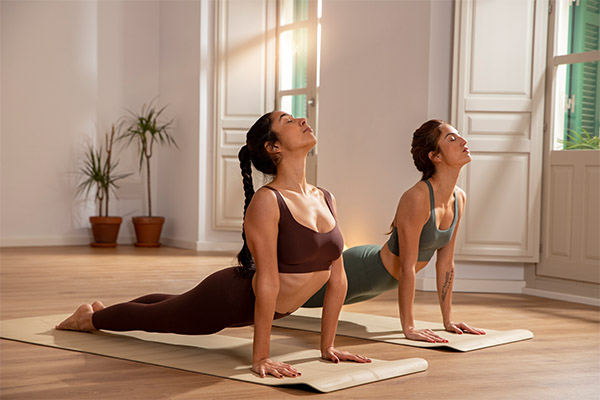
Yoga has long been associated with flexibility, relaxation, and inner peace. But in recent years, a growing number of people have started wondering: does yoga build muscle? Can it be an alternative to traditional strength training? If you’ve ever asked, “is yoga strength training?” or “is yoga a good workout?”—you’re not alone.

The truth is, yoga can be an incredibly effective way to build strength, tone your muscles, and develop long-term fitness. In this blog, we’ll explore how yoga can contribute to muscle development, the differences between yoga and strength training, and which poses and practices offer the most benefits.

Is Yoga a Good Workout?

Absolutely. While yoga might not involve lifting heavy weights, it uses your body weight as resistance, which can be just as effective in building strength. Many yoga styles incorporate muscular poses that require significant effort, endurance, and control. These dynamic holds, when repeated consistently, can result in greater muscle tone and definition.

Yoga doesn’t just engage a single group of muscles—it works on full-body activation. Holding a plank in yoga, for instance, activates your core, shoulders, arms, and legs simultaneously. While yoga is a great workout, there’s also a risk of overdoing yoga—pushing too hard without adequate rest or proper alignment can lead to injuries or fatigue.

Does Yoga Build Muscles?

Yoga Build Muscle

Yes, yoga builds muscle, but in a different way than traditional strength training. While lifting weights breaks down muscle fibers to rebuild them bigger and stronger, yoga builds strength by using isometric contractions—holding a pose without movement.

Poses like Warrior II, Chair Pose, and Boat Pose require sustained engagement from large muscle groups. Over time, these movements promote muscle endurance and increase muscle mass, especially when practiced regularly and progressively.

Can Yoga Replace Strength Training?

Whether or not yoga replaces strength training depends on your goals. If you’re training for maximum hypertrophy or bodybuilding, yoga might not fully replace weights. But if your goal is to tone muscles, build functional strength, and improve balance and flexibility, yoga is a fantastic option.

For those asking, “is yoga considered strength training?” the answer is—it can be. Especially when done consistently, certain yoga sequences offer enough resistance to qualify as a bodyweight-based strength workout.

Yoga vs. Traditional Strength Training

Strength training often focuses on isolating muscles, using weights or machines to target specific areas. Yoga, on the other hand, uses compound movements to engage multiple muscles at once. While traditional strength training may yield quicker muscle gains, yoga provides benefits that go beyond aesthetics, such as improved flexibility, better posture, reduced stress, and injury prevention.

Plus, yoga can enhance your strength training sessions by improving your range of motion and reducing recovery time.

Yoga for Strength: Which Styles Are Best?

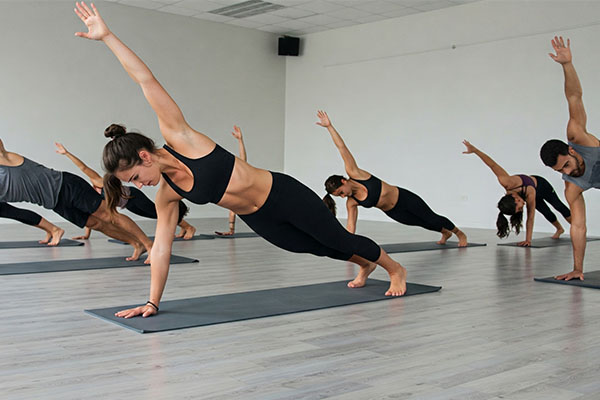
A group of people doing yoga

If you’re looking to build strength through yoga, not all styles are created equal. Here are some strength-focused forms to try:

  • Power yoga: A fast-paced, athletic style that builds strength and endurance
  • Ashtanga yoga: A rigorous style that follows a set sequence of poses and builds core strength
  • Vinyasa flow: Offers continuous movement, requiring muscular control and stamina
  • Hatha yoga: Focuses on long holds that build endurance and engage muscles

Does Stretching Build Muscle?

Stretching in yoga serves a dual purpose—it increases flexibility and activates muscles. While stretching alone doesn’t significantly increase muscle mass, dynamic stretches and muscular poses can contribute to muscle development when held long enough or performed repetitively. Think of stretching as a way to support strength rather than replace strength training entirely. 

Best Muscular Poses for Building Strength

Some of the most effective yoga poses for muscle building include:

  • Plank Pose – Great for core and upper body strength
  • Chaturanga – Tones arms, chest, and shoulders
  • Warrior Series – Strengthens thighs, calves, and glutes
  • Boat Pose – Builds core stability
  • Chair Pose – Engages legs, glutes, and lower back

These poses create resistance using your own body weight and can be intensified by increasing the duration or adding repetitions.

How Often Should You Practice Yoga for Strength?

Man doing exercise

To see results, aim for at least 3 to 5 sessions per week, combining strength-focused yoga flows with some rest days in between. The key is consistency. Progression in yoga is about deepening poses, improving form, and holding positions longer—all of which help build muscle over time. Starting yoga doesn’t require much, but a few essentials can elevate your practice. Here’s a simple yoga starter kit:

  • A high-quality, non-slip yoga mat
  • Comfortable, breathable clothing
  • Yoga blocks and straps for modifications
  • A quiet space to practice consistently


Final Thoughts

So, can yoga build muscle? The answer is a definite yes. While it may not replace the gains from heavy lifting, yoga offers a holistic, effective path to strength, flexibility, and body awareness. It’s especially beneficial for those who want to build lean muscle, support joint health, and improve overall well-being.

Whether you’re a beginner or looking to diversify your fitness routine, yoga is a great way to build strength with balance and mindfulness. Explore wellness tools, accessories, and curated yoga essentials at NineFit to support your strength journey—on and off the mat.

Kettlebell Workouts for a Full-Body Transformation

In the world of functional fitness, few tools are as versatile and powerful as kettlebells. Whether you’re a beginner or a seasoned athlete, kettlebell workouts offer an exceptional way to engage your entire body. They combine strength, cardio, and endurance into one training method, helping you sculpt lean muscle, burn fat, and improve balance. Unlike traditional gym equipment, kettlebells allow for dynamic movement, engaging multiple muscle groups in one go.

This guide will introduce you to the most effective kettlebell workouts and exercises that support total-body strength and conditioning.

Why Kettlebell Workouts Work

The Science Behind the Bell

Kettlebell training uses ballistic, swinging movements that engage your core, back, arms, legs, and shoulders simultaneously. The dynamic nature of kettlebell workouts improves cardiovascular health while building muscular strength. Because of the uneven weight distribution of a kettlebell, your stabilizing muscles are constantly working to control movement.

Time-Efficient Training

Most kettlebell workouts take less than 30 minutes and provide the same calorie burn as longer gym sessions. The fusion of strength and cardio makes kettlebell training ideal for busy lifestyles.

Functional Strength

Unlike machine-based workouts, kettlebell exercises mimic real-life movements. This increases your mobility and range of motion, making daily tasks easier and reducing injury risk.

Getting Started: Beginner Kettlebell Workout

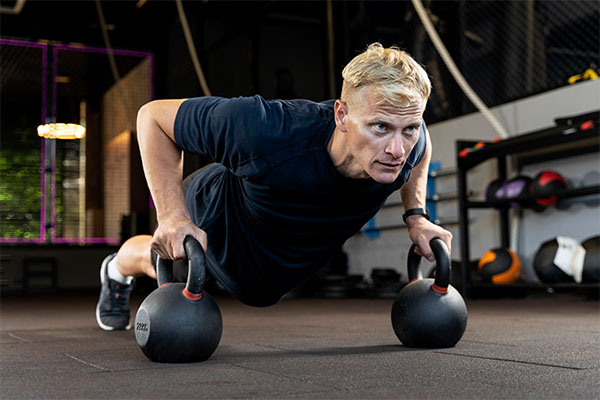
man doing CrossFit workout

If you’re new to this form of training, start with a beginner kettlebell workout to build a strong foundation. Start with 5 minutes of warm up routine 

Routine (Repeat 3 Rounds)

  1. Kettlebell Deadlift – 12 reps
  2. Kettlebell Goblet Squat – 10 reps
  3. Kettlebell Shoulder Press – 8 reps per arm
  4. Kettlebell Rows – 10 reps per arm
  5. Russian Twists (Bodyweight) – 20 reps

Finish with stretching and hydration. This beginner routine introduces key movement patterns while helping you learn safe and proper form.

Kettlebell Workouts for Women: Sculpt & Strengthen

Kettlebell workouts for women focus on toning, fat-burning, and lean muscle development. These routines emphasize high reps and compound movements to boost metabolism.

Full-Body Routine (30 Minutes)

  1. Kettlebell Swing – 15 reps
  2. Kettlebell Sumo Deadlift – 12 reps
  3. Kettlebell Overhead Press – 10 reps per arm
  4. Kettlebell Lunges – 10 reps per leg
  5. Kettlebell Windmill – 8 reps per side

Repeat the circuit three times. This blend of strength and cardio is ideal for total-body conditioning.

Kettlebell Workouts for Men: Build Power and Definition

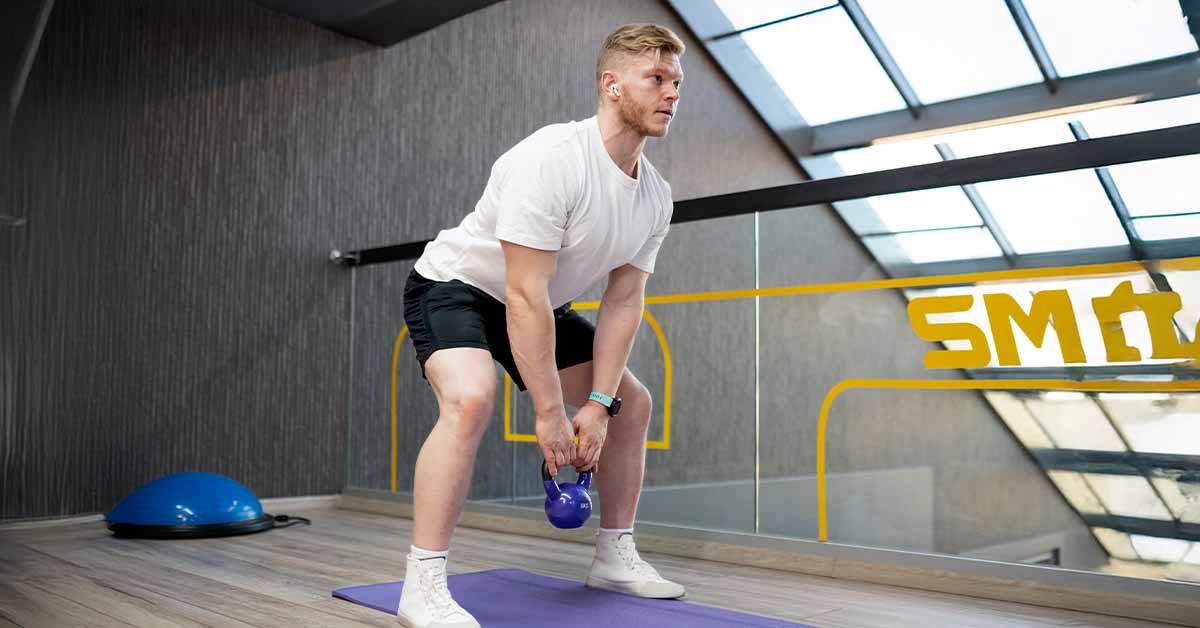
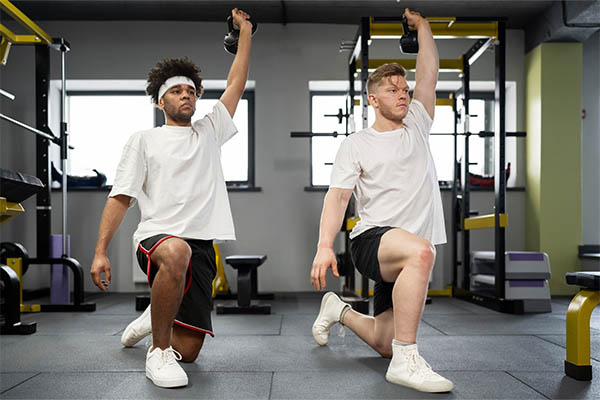
men training with kettlebell on mat

Kettlebell workouts for men typically incorporate heavier weights and lower reps. The focus is on building muscle mass and explosive power.

Power Circuit (30 Minutes)

  1. Kettlebell Clean and Press – 8 reps per arm
  2. Kettlebell Snatch – 8 reps per arm
  3. Kettlebell Goblet Squat – 10 reps
  4. Kettlebell Renegade Row – 10 reps per arm
  5. Kettlebell Swing – 20 reps

This routine targets your entire body, enhances grip strength, and supports hypertrophy.

Best Kettlebell Workouts for Full-Body Training

A kettlebell full body workout utilizes compound lifts that work multiple muscles at once. Here are a few of the best kettlebell workouts that deliver maximum results.

The Fat Burner (20 Minutes)

  • Kettlebell Swings – 20 reps
  • Kettlebell Squat to Press – 15 reps
  • Kettlebell Deadlifts – 15 reps
  • Kettlebell Jump Squats – 12 reps
  • Rest 30 seconds
  • Repeat for 4 rounds

The Strength Builder (25 Minutes)

  • Kettlebell Turkish Get-Up – 5 reps per side
  • Kettlebell Clean – 8 reps per arm
  • Kettlebell Front Squat – 10 reps
  • Kettlebell Overhead Press – 10 reps
  • Kettlebell Bent-Over Row – 12 reps

These routines emphasize different fitness goals, from burning fat to building pure strength.

Kettlebell Exercises That Should Be in Every Routine

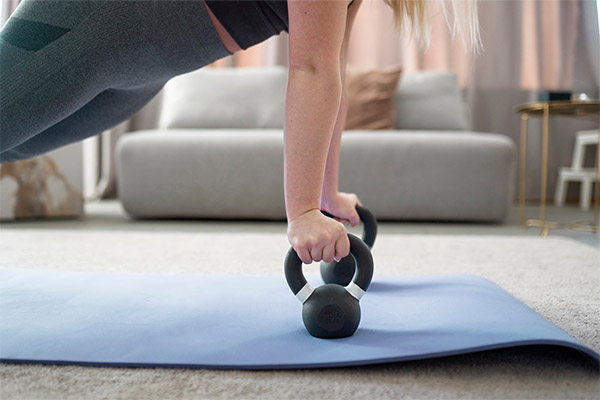
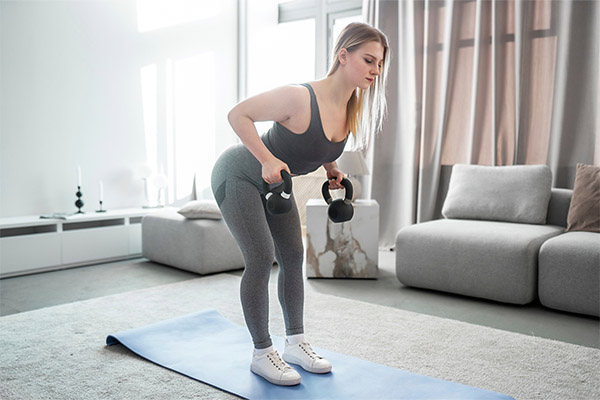
Woman training with kettlebell on mat

Kettlebell Swing

Perfect for cardiovascular endurance and posterior chain development.

Kettlebell Goblet Squat

Excellent for quads, hamstrings, and glutes. Promotes good squat form.

Kettlebell Overhead Press

Builds shoulder and upper body strength.

Kettlebell Deadlift

Targets hamstrings, glutes, and lower back. Great for all levels.

Kettlebell Row

Great for lats, traps, and arm strength.

These are some of the best kettlebell exercises for anyone looking to get stronger, leaner, and more athletic.

Structuring a Kettlebell Workout Routine

Choose the Right Weight

Beginners should start light and focus on form. Advanced users can increase weight as strength improves.

Plan Frequency

Start with three sessions per week. Increase based on goals and recovery.

Mix Movement Patterns

Combine push, pull, hinge, and squat movements for a balanced routine.

Include Core Work

Add exercises like Russian twists, windmills, and kettlebell carries to enhance core stability.

Prioritize Rest

Allow at least 24 hours between intense sessions to support muscle growth.

Kettlebell Training Tips for Success

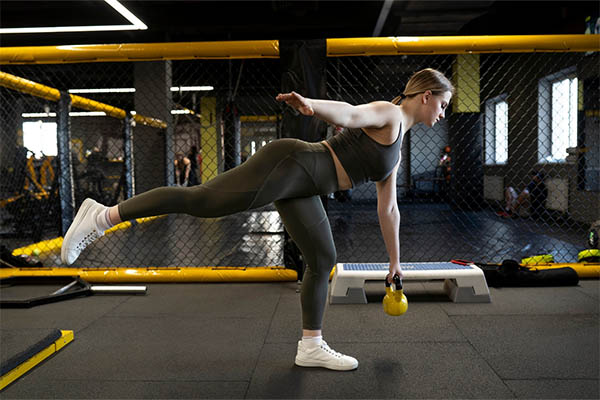
woman training with kettlebell at gym

Warm-Up First

Always warm up your joints and muscles. Dynamic stretches help prevent injuries.

Focus on Form

Proper form is crucial for safety and results. Use mirrors or consult trainers.

Progress Gradually

Add reps or increase weight slowly to avoid injury and ensure gains.

Hydrate and Refuel

Drink water and eat nutrient-rich meals post-workout to recover faster.

Benefits of Kettlebell Workouts Beyond the Gym

Better Balance and Coordination

The unstable nature of kettlebells forces you to stabilize during movement, improving balance.

Increased Core Strength

Every kettlebell move challenges your core, improving posture and strength.

Mental Focus

Kettlebell workouts demand attention to form, rhythm, and breathing.

Flexibility and Mobility

Exercises like the windmill and Turkish get-up stretch and strengthen muscles.

Final Thoughts on Kettlebell Workouts

woman training

Kettlebell workouts are a powerful, accessible way to transform your fitness. Whether you’re focused on strength, fat loss, endurance, or mobility, these dynamic tools deliver. From beginner kettlebell workouts to advanced kettlebell overhead presses and snatches, the variety is endless. With routines designed for men and women, and a wide range of kettle bell exercises to explore, there’s something for everyone. Make kettlebells a regular part of your fitness life and experience improved performance, strength, and confidence. Ready to get started? Discover top-quality kettlebells and gear at NineFit today!
Backpacking Mistakes To Avoid

Backpacking can be one of the most thrilling ways to explore the great outdoors. Whether you’re new to hiking or planning your tenth trail, avoiding common mistakes can make your trip more comfortable, enjoyable, and safe. From packing smart to choosing the right gear, here’s what to keep in mind before hitting the trail.

1. Overpacking or Under packing

A common mistake for beginner hiking enthusiasts is packing too much or too little. While you want to be prepared, backpacking light is essential. Carrying unnecessary items adds extra weight and slows you down. On the other hand, forgetting the basics can put you at risk.

Choose ultralight backpacking gear whenever possible, and only pack what’s needed for the length and type of your trip. Making a checklist in advance helps ensure you bring everything you need without the bulk.

2. Picking the Wrong Backpack

Preparing suitcase for summer vacation trip

Your travel backpack plays a major role in how comfortable your hike will be. Don’t just choose a bag based on style—make sure the fit suits your torso length and has adjustable straps for better weight distribution.

The standard backpack size for overnight trips is usually 40–50 liters, but multi-day hikes may require a larger capacity. If you’re buying backpack online, check the size chart, read reviews, and ensure there’s a good return policy. A poorly fitting backpack for traveling can lead to discomfort and long-term strain.

3. Not Breaking In Gear

It’s tempting to take new gear straight to the trail, but that’s a mistake. Break in your hiking bag, boots, and clothing by using them on shorter hikes first. This helps avoid blisters, aches, or unexpected malfunctions during your main trip.

4. Poor Packing Technique

Even with great gear, bad packing can throw off your balance. Place heavier items like your stove or food close to your back and centered in the pack. This reduces shoulder strain and makes walking easier. Smaller and lighter items can go toward the top or outside compartments.

This step is crucial when you’re trying to maintain comfort while hiking long distances with the lightest backpacking gear.

5. Ignoring Sleep Essentials

A quality backpacking sleeping bag is a must-have, especially for overnight hikes. Don’t assume a blanket or thin bag will do the job. Pick a sleeping bag suitable for the lowest expected temperatures. It helps you sleep well, recover overnight, and stay warm in unpredictable weather.

6. Skipping Gear Checks

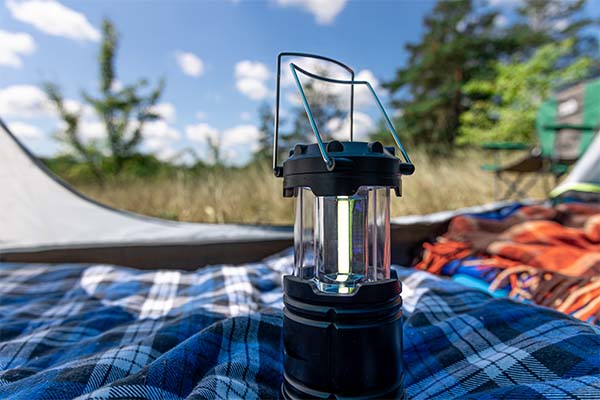
Closeup gas lamp in a tent in nature

Don’t wait until you’re on the trail to test your gear. Set up your tent, try your stove, check your headlamp, and inspect all zippers and closures at home. This is especially important when using hiking essentials for beginners, where you’re still learning how everything functions together.

7. Lack of Physical Preparation

Backpacking challenges your body. If you haven’t hiked recently or are new to the activity, start training. Go for short hikes with a loaded backpack to condition your muscles. You’ll be grateful for the extra endurance once you’re on longer trails.

8. Wearing the Wrong Clothing

Cotton is not your friend on a hike. It stays wet, causes chafing, and takes forever to dry. Instead, wear moisture-wicking, breathable clothing. In colder climates, layer with thermal and waterproof materials. This makes a huge difference in comfort and safety.

9. Overlooking Navigation Basics

While GPS and smartphone apps are handy, they aren’t always reliable in remote areas. Always carry a map and compass as a backup. Learning basic navigation can prevent you from getting lost, especially when there’s no signal or your device battery dies.

10. Underestimating the Terrain

backpacking

Don’t assume all trails are the same. Research elevation changes, trail conditions, and potential hazards in advance. Beginner hiking trips can quickly turn tough if you’re unprepared for river crossings, steep climbs, or rocky paths. Plan your route, pace yourself, and know your limits.

11. Not Adjusting Backpack Properly

Even if you’ve chosen a great hiking bag, wearing it wrong can cause discomfort. Adjust the shoulder straps, hip belt, and load lifters to distribute weight evenly. A properly adjusted backpack helps avoid fatigue and prevents injury.

12. Forgetting Weather Protection

Even on sunny days, weather can change quickly. Pack a lightweight rain jacket, sun protection, and warm layers. Also consider covering your pack with a waterproof cover to keep contents dry during sudden downpours.

Bonus Tips for a Smooth Trip

Before you set out, always double-check your gear, prep your route, and plan for weather changes. Outdoor adventure is all about exploring safely—know the terrain, check the weather, and always carry basic first-aid to avoid unexpected challenges. Stay hydrated, keep your backpack light, and don’t forget to enjoy the journey.

Long-Distance Trek Prep Guide

Planning a long-distance trek involves more than just stamina—it’s about preparation, strategy, and the right gear. First, research the trail thoroughly, noting elevation changes, water sources, and camping spots. Start physical training weeks in advance by walking with a loaded travel backpack to build endurance. Choose ultralight backpacking gear to reduce strain and fatigue. Nutrition and hydration also matter—carry energy-rich snacks and a water filtration system if you’ll be refilling on the trail. Lastly, invest in a reliable backpacking sleeping bag and wear-in your hiking boots well before the trek begins. A long-distance hike tests your limits, but smart prep can make it incredibly rewarding.

Final Thoughts

Woman backpacking

Backpacking is about enjoying the outdoors, challenging yourself, and disconnecting from daily life. Avoiding these common mistakes helps ensure your trip is memorable for the right reasons. Whether you’re gearing up with beginner hiking gear or selecting your next backpack for traveling, smart preparation is key.

Explore NineFit’s collection of hiking bags, travel backpacks, and lightweight gear designed for outdoor adventurers. If you’re looking to buy a backpack online, check out options that suit both beginners and seasoned hikers alike.

Happy trails!

Best Adjustable Dumbbells for Your Home Gym

Investing in high-quality fitness equipment is essential for an effective workout routine. Among the most versatile pieces, adjustable dumbbells stand out as a game-changer. Whether you’re setting up a home gym collection or upgrading your weight set, the right selection can make all the difference. With adjustable options, you can seamlessly switch between weights without cluttering your space with multiple pieces.

If you’re searching for the best options, this guide will help you explore the top choices. We’ll dive into the features that make an adjustable barbell or barbell weight set worth investing in. Let’s take a closer look at why the right gear is a critical part of any fitness journey.

The Benefits of Adjustable Dumbbells

man training with dumbbell

Space-Saving Design

Unlike traditional weight sets that require multiple pairs, an adjustable dumbbells set consolidates various weights into one compact design. This is particularly useful for individuals with limited space in their home gym setup.

Cost-Effective Solution

Purchasing a complete set can be expensive. However, opting for an adjustable option allows you to enjoy multiple weight choices without breaking the bank.

Enhanced Workout Versatility

A well-designed set provides endless workout possibilities. From strength training to endurance exercises, a high-quality barbell weight set or adjustable barbell lets you switch up your routine effortlessly.

Best Adjustable Dumbbells for Your Fitness Goals

Top Pick: Bowflex SelectTech 552 Adjustable Dumbbells

Why It Stands Out:

  • Adjusts from 5 to 52.5 lbs.
  • Easy dial system for quick weight changes.
  • Compact and space-efficient design.

If you’re looking for a full-body workout, this is a premium choice. These allow you to transition between weights smoothly, making them ideal for progressive strength training.

PowerBlock Elite Adjustable Dumbbells

Key Features:

  • Expandable weight options up to 90 lbs.
  • Secure and stable weight locking system.
  • Ergonomic grip for enhanced comfort.

For those needing a durable system, this brand offers excellent adjustability with expansion kits available. Perfect for serious lifters looking for a compact yet effective weight set.

NordicTrack Select-a-Weight Dumbbells

What Makes It Special:

  • Adjusts from 10 to 55 lbs.
  • Space-efficient and easy to store.
  • Smooth weight selection mechanism.

NordicTrack’s set provides versatility at an affordable price. Its sleek design ensures smooth weight adjustments, making it a valuable addition to any home gym collection.

How to Choose the Right Adjustable Dumbbell Weights

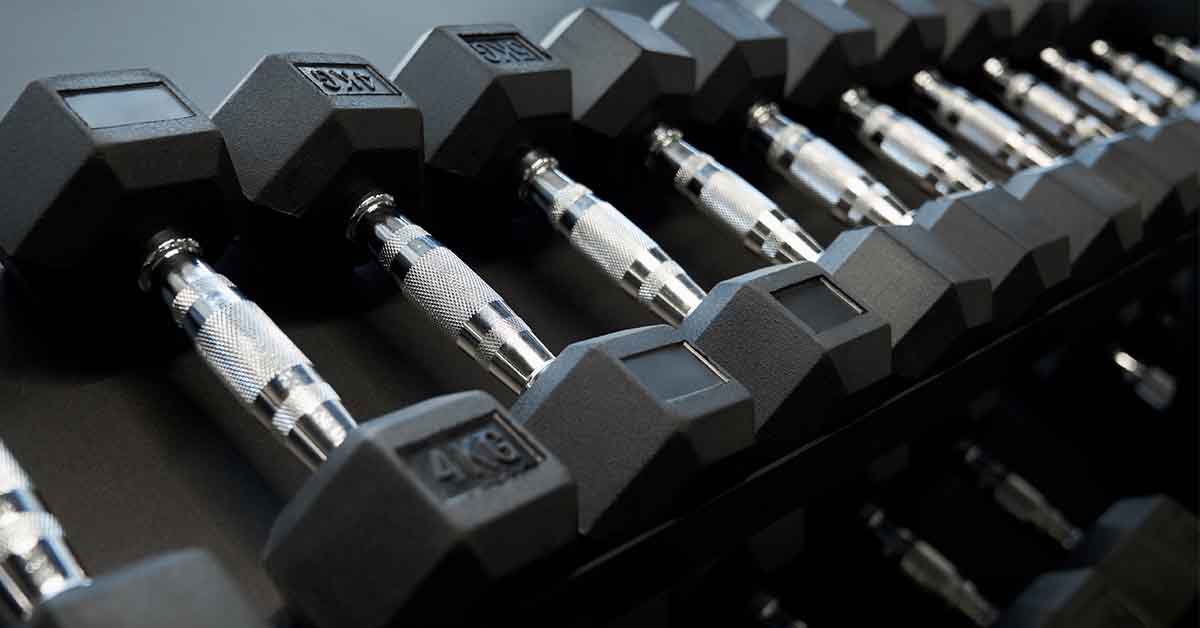
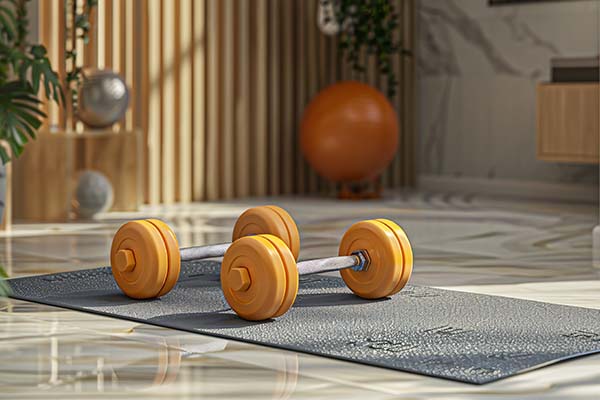
Sport equipment arrangement

Consider Your Fitness Level

Beginners may prefer a set that starts at a lower weight, while advanced users should look for an adjustable option that expands beyond 50 lbs.

Weight Range and Adjustability

The best choices allow for a broad weight range. Whether you’re incorporating a barbell weight set into your routine or using them for targeted exercises, adjustability is key.

Durability and Build Quality

Choose a weight set made from durable materials. Look for options with a secure locking mechanism to ensure safe workouts.

Additional Considerations When Buying Adjustable Dumbbells

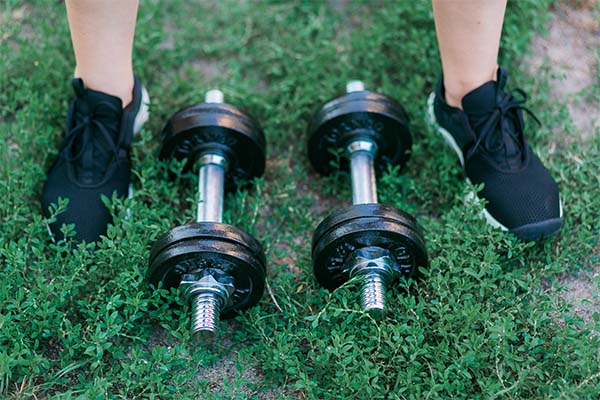
Adjustable Dumbbells on green grass background and feet in black sneakers

Grip Comfort and Handle Design

A firm grip can enhance your performance and prevent accidents. Look for designs with ergonomic handles to provide a better hold during intense training sessions. Rubberized or textured grips can also reduce hand fatigue, allowing for longer, more effective workouts.

Storage and Organization

A well-organized home gym helps maintain efficiency and motivation. Many adjustable models come with storage trays, making it easy to keep your space tidy. Proper storage also extends the lifespan of your fitness equipment by protecting it from unnecessary wear and tear. Investing in home gym dumbbells that include compact storage solutions ensures your workout space remains clutter-free and functional.

Workout Programs and Compatibility

Some brands offer compatibility with digital training programs, adding an extra layer of convenience to your fitness routine. Whether it’s built-in workout tracking or video tutorials, having guided exercises tailored to your weight set can enhance your overall experience and keep you motivated.

Tips for Maximizing Your Adjustable Dumbbell Workouts

Incorporate a Full-Body Routine

Adjustable dumbbells allow you to target multiple muscle groups effectively. To make the most of your workouts, combine upper and lower body exercises. For example, pair squats with overhead presses or lunges with bicep curls for a balanced routine.

Focus on Proper Form

Using the correct technique ensures you get the most out of your training while preventing injuries. Keep your movements controlled, engage your core, and avoid using momentum to lift heavier weights.

Gradually Increase Your Weight

Progressive overload is key to building strength and muscle. Start with a manageable weight and gradually increase it as you become stronger. The flexibility of adjustable weight dumbbells make this process seamless.

Upgrade Your Workouts with the Best Adjustable Dumbbells

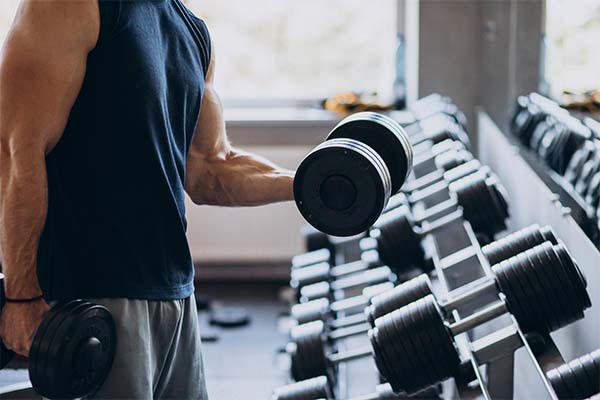
Strong man training in gym

The right choice can elevate your fitness routine by providing flexibility, efficiency, and cost-effectiveness. Whether you’re setting up a home gym collection or upgrading your weight set, investing in high-quality and best dumbbells is a smart decision.

Browse through our top selections and find the ideal fit to match your workout needs. Ready to take your training to the next level? Explore the best fitness equipment at NineFit today!

Double Crunches: Benefits and How to Do Them

Double crunches are a powerful abdominal exercise that targets both the upper and lower abs in one movement. They are an effective way to strengthen your core, improve muscle tone, and aid in fat loss. Whether you’re a beginner or an advanced fitness enthusiast, incorporating this crunches workout into your routine can help you achieve a stronger and more defined midsection.

What Are Double Crunches?

Double crunches combine a traditional crunches exercise with leg crunches to engage the entire core. Unlike standard abdominal exercises, which often focus on one part of the abs at a time, double crunches work both the upper and lower abs simultaneously. This makes them a great addition to your crunches workout, especially for those looking to maximize efficiency in their core training.

How to Do a Double Crunch

Young woman doing double crunches in a gym

To perform a double crunch correctly, follow these steps:

  • Start Position: Lie flat on your back with your knees bent and feet flat on the floor. Place your hands lightly behind your head, elbows out to the sides.
  • Engage Your Core: Tighten your abdominal muscles and lift your upper body slightly off the ground. Simultaneously, bring your knees toward your chest.
  • Crunch Movement: Contract your abs as you lift your shoulders and legs towards each other, squeezing at the top.
  • Return to Start: Slowly lower your upper body and legs back to the starting position without letting your feet touch the ground.
  • Repeat: Perform 10-15 repetitions for 3 sets.

Benefits of Double Crunches

man doing exercise at gym
  1. Targets the Entire Core
    Unlike other types of crunches, double crunches activate both the upper and lower abs at the same time, ensuring balanced core development. This leads to a more sculpted and toned midsection over time.
  2. Improves Muscle Toning
    Double crunches help build lean muscle in the midsection, making them a great choice for those aiming for a more defined core. Regularly performing this crunches exercise can enhance muscle toning and improve overall body strength.
  3. Supports Fat Loss
    While no exercise alone can guarantee fat loss, incorporating double crunches into a well-rounded workout routine can help burn calories and support weight management. Pairing them with cardio and a balanced diet enhances results.
  4. Enhances Core Strength and Stability
    A strong core is essential for overall fitness, improving posture, and preventing lower back pain. Double crunches engage deep core muscles, helping to stabilize the body during various movements.
  5. Offers Versatility with Crunch Variations
    Double crunches can be modified in many ways to keep your workout challenging. Crunches with weights, for example, add resistance and help in building stronger muscles.

Crunch Variations to Try

If you want to switch up your abdominal exercises, try these variations:

  • Crunches with weights: Hold a dumbbell or a weight plate against your chest to add resistance.
  • Reverse crunches: Focus more on the lower abs by keeping your upper body still and lifting your legs toward your chest.
  • Bicycle crunches: Engage the obliques by alternating elbow-to-knee movements in a cycling motion.
  • Side crunches: Target the side abs by twisting your torso towards one side during the crunch.
  • Double crunch hold: Instead of lowering back down immediately, hold the crunch position for a few seconds to engage the core more intensely.


Common Mistakes to Avoid

Young attractive sporty woman doing double crunches exercise

To maximize effectiveness and prevent injury, be mindful of these mistakes:

  • Pulling on the neck: Avoid using your hands to yank your neck forward, as this can strain the spine.
  • Using momentum instead of muscles: Focus on controlled movements rather than rushing through reps.
  • Not engaging the core properly: Tighten your abdominal muscles throughout the exercise to ensure they are being worked effectively.
  • Holding your breath: Exhale as you crunch up and inhale as you return to the starting position.


Tips for Maximum Effectiveness

Incorporating arm exercises into your routine alongside double crunches helps build upper body strength, enhancing overall body workouts and core stability.

  • Maintain proper form to avoid strain on your neck and back.
  • Engage your core throughout the movement rather than relying on momentum.
  • Control your breathing—exhale as you crunch up, inhale as you return to the start.
  • Combine with other abdominal exercises to create a well-rounded core workout.
  • Gradually increase resistance by incorporating crunches with weights as you get stronger.


Incorporating Double Crunches into Your Routine

Beautiful young women doing crunches during a class at a gym

To get the best results, pair double crunches with other lower abs exercises and full-body movements. A sample workout plan could include:

Warm-up (5-10 minutes)

  • Light cardio: Jump rope, jogging, or dynamic stretching
  • Core activation: Planks, toe touches

Core Routine

  • Double crunches – 3 sets of 15 reps
  • Crunches with weights – 3 sets of 12 reps
  • Leg crunches – 3 sets of 12 reps
  • Bicycle crunches – 3 sets of 20 reps (10 per side)
  • Plank holds – 3 sets of 30 seconds

Cool Down (5-10 minutes)

  • Static stretching
  • Deep breathing exercises

Double Crunches for Different Fitness Levels

Shirtless man training abs on mat

For Beginners:

If you’re new to crunches exercise, start by doing regular leg crunches or reverse crunches before progressing to double crunches. Keep the reps lower and focus on form.

For Intermediate Level:

Perform double crunches at a steady pace and increase the repetitions as you build strength. Add crunch variations to your routine for balanced core development.

For Advanced Level:

If you want a more intense challenge, try crunches with weights, or add in a resistance band to make your core work harder. Increasing the difficulty ensures continuous progress.

Final Thoughts

Double crunches are an excellent abdominal exercise that provides muscle toning, strengthens the core, and supports fat loss. By incorporating different types of crunches and crunch variations into your routine, you can challenge your muscles and improve core stability. Pairing double crunches with high-energy workouts like Zumba can further enhance fat loss and core strength, making your