
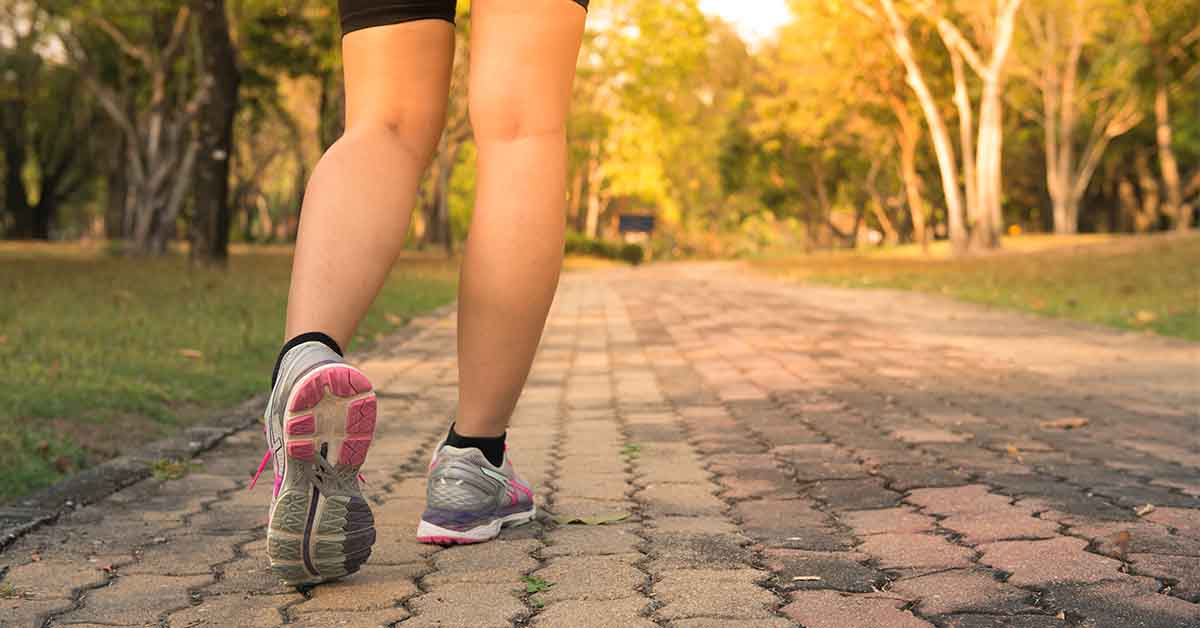
The world of fitness is constantly evolving, with new trends emerging to keep workouts exciting and effective. One of the latest trends gaining traction is the walking backwards workout. While it may sound unconventional, walking backwards offers a unique and highly beneficial way to enhance your fitness routine. Whether done on the ground or on a treadmill, this workout provides numerous advantages that go beyond traditional walking.
Why Is Walking a Good Exercise?
Walking is one of the simplest and most accessible forms of exercise. It improves cardiovascular health, enhances muscle strength, and boosts mental well-being. But is walking good exercise in all its forms? Absolutely! By simply changing direction and walking backwards, you can engage different muscle groups, improve balance, and increase calorie burn.
The Benefits of Walking Backwards
Curious about the benefits of walking backwards? This unconventional workout activates muscles that are often underutilized when walking forward. It enhances coordination and balance, reduces the risk of injury, and even sharpens cognitive function by challenging the brain to adapt to a new movement pattern.
Additionally, walking backwards can improve posture and strengthen the lower back, reducing the strain on the spine. It’s also known to boost cardiovascular health as it requires more effort, leading to higher calorie expenditure.
Walking Backwards on a Treadmill: A Safe and Effective Option
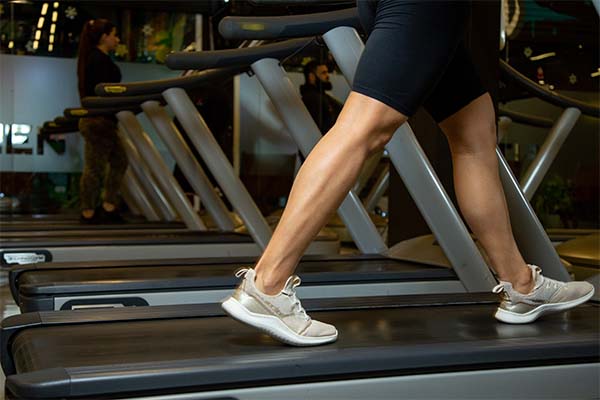
Walking backwards on a treadmill is gaining popularity as a safe and controlled way to practice this workout. When done correctly, it helps improve muscle balance, enhances stability, and reduces joint impact. Start by setting the treadmill at a low speed and gradually increasing it as you gain confidence.
Using the treadmill’s handrails initially is advisable for maintaining balance. As you progress, let go of the rails to engage your core muscles and improve stability. Make sure to keep your posture upright and take shorter steps to reduce the risk of falling.
What Muscles Does Walking Work?
One common question is, what muscles does walking work? While forward walking primarily targets the quadriceps, hamstrings, and calves, walking backwards activates different muscle groups. It engages the glutes, hamstrings, and lower back muscles more intensely.
Backward walking also works the shin muscles, which are often neglected in regular workouts. This helps enhance ankle stability and reduces the risk of shin splints. By balancing muscle development, it contributes to overall strength and agility.
Walking Backwards Benefits for Joint Health
One of the standout walking backwards benefits is its positive impact on joint health. This movement pattern reduces the load on the knees and hips, making it an excellent exercise for those with joint pain or arthritis.
By minimizing forward momentum, backward walking decreases the pressure on knee joints, reducing the risk of injury. It also encourages better joint alignment, enhancing mobility and flexibility over time.
What Does Walking Do for You?

Wondering, what does walking do for you beyond muscle engagement? Walking backwards enhances balance and coordination, sharpens reflexes, and boosts mental focus. The cognitive challenge of moving in an unfamiliar direction stimulates brain activity and improves neural connections.
Additionally, this workout promotes cardiovascular fitness, aiding in weight management and improving lung capacity. It’s an effective way to burn more calories, as the body requires more energy to maintain balance and coordination.
The Backward Treadmill Trend
The concept of the backward treadmill is gaining traction as fitness enthusiasts explore innovative ways to work out. This trend involves walking or jogging backwards on a treadmill to engage different muscle groups and improve stability.
Backward treadmill workouts are highly customizable. You can adjust the speed and incline to target specific muscle groups or enhance cardiovascular endurance. It’s a low-impact workout, making it suitable for all fitness levels.
Adding Heel Walks to Your Routine
To maximize the benefits of walking backwards, incorporate heel walks into your routine. Heel walking involves lifting the toes off the ground and walking on the heels, which strengthens the shin muscles and improves ankle stability.
This exercise is particularly beneficial for those recovering from ankle injuries or looking to enhance their balance and coordination. Combining heel walks with backward walking creates a well-rounded lower-body workout.
Tips for Getting Started with Walking Backwards Workouts
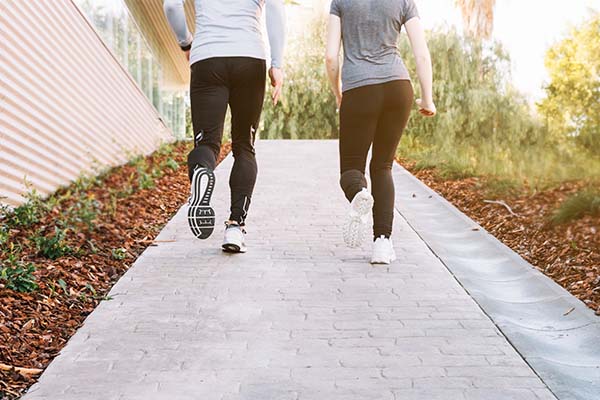
- Warm-Up Properly: Always start with a warm-up to prepare your muscles and joints. Incorporate dynamic stretches and a few minutes of forward walking before transitioning to backward movements.
- Start Slow: Begin at a slow pace to get comfortable with the movement pattern. Gradually increase speed and duration as your balance and confidence improve.
- Focus on Posture: Keep your back straight, shoulders relaxed, and eyes looking forward to maintain balance and avoid straining your neck.
- Engage Your Core: Tighten your core muscles for better stability and balance during the workout.
- Safety First: If you’re practicing on a treadmill, use the handrails initially until you get accustomed to the movement. Ensure the area behind you is clear if walking outdoors.
Final Thoughts: Is Walking Backwards Worth Trying?
Incorporating walking backwards into your fitness routine can yield impressive benefits. It targets underused muscles, enhances balance, and promotes joint health. Whether you try walking backwards on a treadmill or on a flat surface, this workout adds variety and excitement to your exercise regimen.
By challenging your body and mind, backward walking offers a refreshing change from traditional cardio routines. Give it a try and experience the unique advantages of this innovative workout trend.