
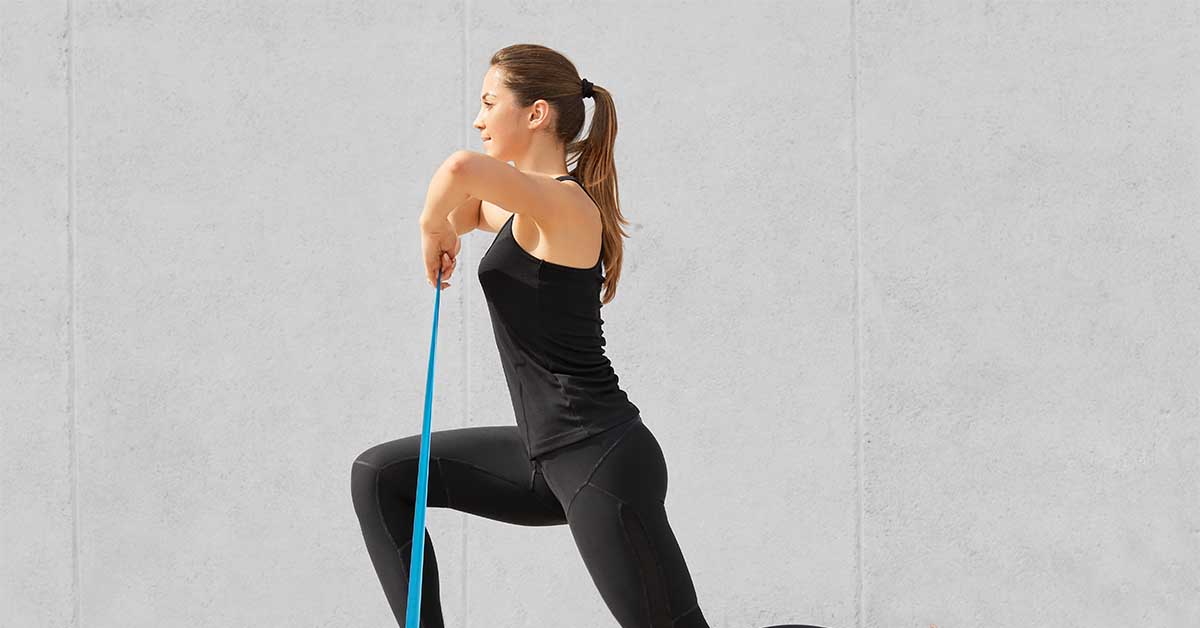
When it comes to building strength without bulky equipment, nothing matches the versatility of resistance bands. They are lightweight, portable, and effective for total-body conditioning. Learning how to use resistance bands correctly helps beginners improve strength, stability, and mobility. Whether you call them a fitness band or resistance band, these tools deliver excellent results with consistent use.
Why Resistance Bands Are Perfect for Beginners
The biggest advantage of resistance bands is their accessibility. They are inexpensive, easy to carry, and suitable for all fitness levels. From gentle stretching to challenging strength training, resistance band exercises fit seamlessly into any routine. Unlike heavy weights, bands reduce the risk of injury while still providing muscle activation. For beginners, this makes them an ideal starting point. A resistance band workout teaches body awareness and proper form, preparing you for more advanced training later.
How to Use Resistance Bands Effectively
Understanding how to use resistance bands is key to progress. The first step is choosing the right band. Resistance bands come in different levels—light, medium, and heavy. Beginners should start with a lighter band before progressing. To perform exercises, anchor the band around a secure object or hold it with your hands or feet. Maintain steady tension throughout the movement. Controlling both the stretch and return phase ensures muscles work harder. Following these basics makes a resistance bands workout safe and effective.
Resistance Band Exercises for Beginners
There are endless resistance band exercises that target every muscle group. A full-body routine may include squats with a fitness band, where you place the band above your knees to activate glutes and quads. Chest press with resistance bands can be done by anchoring the band behind you and pushing forward like a bench press. Rows for the back strengthen lats and posture when you pull the band toward your torso. Shoulder presses can be performed by stepping on the band and pressing upward to train shoulders and arms. Bicep curls mimic dumbbell curls by pulling the band upward with control. Adding these moves to your routine creates a balanced resistance band workout.
Resistance Bands for Mobility and Flexibility
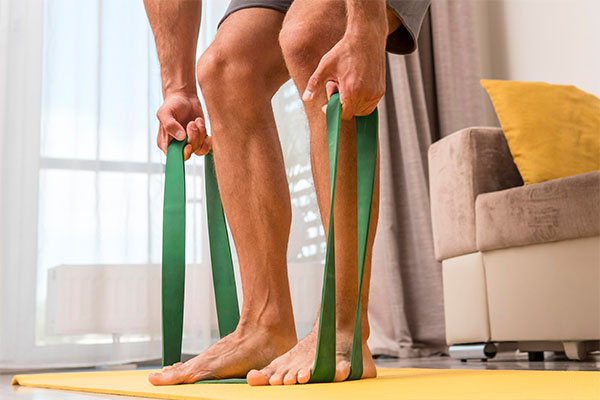
Another benefit of resistance bands is their ability to improve mobility. Bands assist in stretching and lengthening muscles without strain. For example, a hamstring stretch using a fitness band increases flexibility safely. Athletes often use resistance bands to warm up joints and activate smaller stabilizing muscles. This prepares the body for heavier lifting or intense cardio. Including stretches in your resistance bands workout keeps your body strong and flexible.
Building Strength with Resistance Bands
Strength training doesn’t always require dumbbells or barbells. A resistance band workout builds muscle by creating constant tension. Unlike free weights, where tension may decrease at certain points, bands keep muscles engaged throughout the move. Beginners can increase intensity by adjusting band thickness or changing grip positions. For example, holding the band shorter increases resistance. Gradually progressing ensures long-term muscle growth and endurance.
Resistance Bands vs. Traditional Equipment
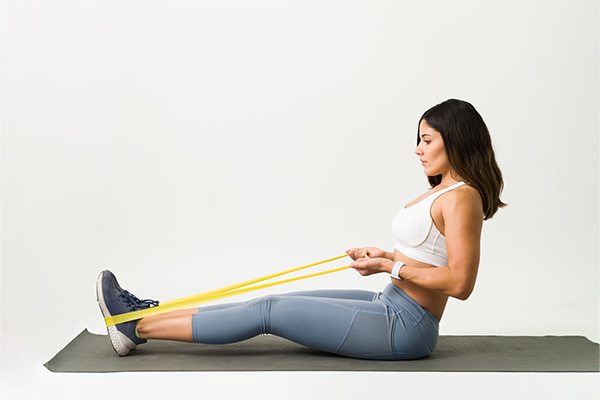
For many beginners, the choice is between bands and weights. While both are effective, resistance bands offer unique advantages. They are travel-friendly, affordable, and versatile. A single fitness band can replace several pieces of exercise equipment. Traditional weights may provide more maximum resistance, but bands allow for varied angles and continuous tension. This makes them excellent for joint-friendly training. A well-designed resistance bands workout often feels just as challenging as free weights.
Designing a Resistance Band Workout Routine
Creating a routine with resistance bands is simple. Beginners can follow this sample plan: warm up with light stretching using a fitness band, move on to squats and hip bridges for lower body, then add chest press, rows, and bicep curls for upper body. Core work can include seated twists with a resistance band, followed by cooldown stretches for hamstrings and shoulders. Performing 2–3 sets of 10–12 reps per exercise ensures progress. Over time, vary band tension and add new resistance band exercises.
Tips for Success with Resistance Bands
To make the most of your resistance bands workout, keep these tips in mind. Always check the band for tears or wear before using it. Maintain control during both stretching and returning movements. Keep proper form and don’t rely on momentum. Start slow and gradually increase band tension. Combine bands with bodyweight or weights for variety. These simple practices make your resistance band exercises safe and effective.
Conclusion: Getting Started with Resistance Bands
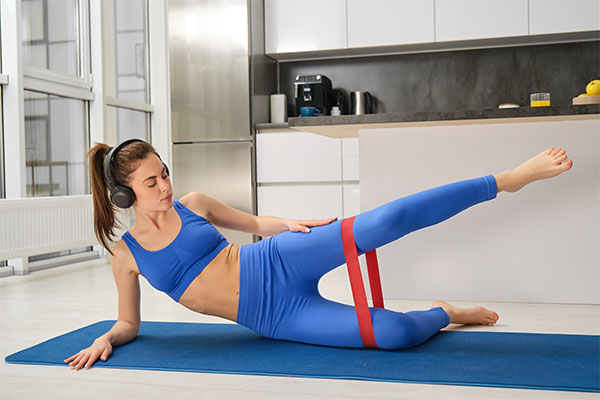
The Beginner’s Guide to Resistance Bands shows how powerful this simple tool can be. From squats and rows to stretches and presses, resistance bands unlock countless training options. Learning how to use resistance bands properly ensures safety, progress, and confidence. Whether you want strength, mobility, or flexibility, adding a resistance band workout to your routine is a smart choice. The portability and affordability of a fitness band make it a must-have for beginners and advanced athletes alike. Ready to elevate your fitness journey? Explore expert gear and training tips at NineFit.