

In today’s fast-paced world, staying on top of your health can be challenging. That’s where activity trackers come in — compact, smart devices designed to keep you aware of your physical activity, sleep patterns, and overall health. Whether you’re aiming for weight loss, muscle gain, or just a healthier lifestyle, fitness trackers make the process more manageable and rewarding.
These devices, ranging from a simple fitness tracker watch to advanced smart watch fitness tracker models, help bridge the gap between your health goals and actual results. Let’s explore how you can use activity trackers effectively and make the most of what these powerful gadgets offer.
Why Use Fitness Trackers?
The best fitness tracker does more than just count steps. It measures heart rate, calories burned, sleep quality, and even stress levels. By providing real-time feedback, these devices help you make better lifestyle choices throughout the day.
Many people underestimate the value of data. With a health tracker strapped to your wrist, you gain insights into your daily habits and can track progress over time. This makes it easier to stay accountable and motivated on your fitness journey.
Setting Up Your Fitness Tracker

When you buy your first fitness tracker watch, the setup process is crucial. Start by syncing the device with your smartphone using the manufacturer’s app. This enables you to monitor long-term data, set goals, and receive alerts.
Make sure to enter accurate details like your weight, height, and age, since these help the tracker calculate calorie burn and activity levels correctly. Once your device is calibrated, you’re ready to begin monitoring your daily activities.
Tracking Your Workouts
One of the biggest benefits of health tracking devices is workout monitoring. Most modern fitness trackers include modes for walking, running, cycling, swimming, and even strength training. This allows you to record not only the duration of your workouts but also your intensity and recovery.
A smart watch fitness tracker may also come with built-in GPS to map outdoor runs or hikes. This is especially useful for those who enjoy outdoor workouts, as it provides detailed performance statistics like pace, distance, and elevation gain.
Monitoring Sleep and Recovery
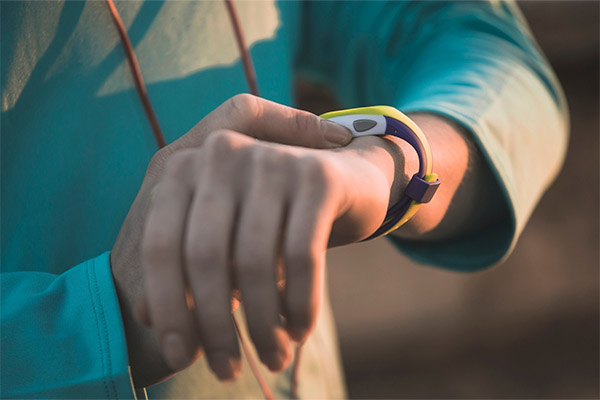
Sleep is just as important as exercise when it comes to achieving better health. A health tracker can analyze your sleep cycle, showing how much deep and light sleep you’re getting each night. By identifying patterns, you can make adjustments to improve sleep quality, which directly impacts energy levels and performance.
Some advanced fitness trackers also offer recommendations for recovery based on how active you’ve been throughout the day. This feature ensures that you don’t overtrain, helping you strike a balance between activity and rest.
Using Fitness Trackers for Everyday Health
Fitness trackers aren’t just for workouts — they’re also powerful tools for daily health management. Many devices remind you to stay hydrated, get up after long periods of sitting, and even practice mindful breathing when stress levels rise.
For those managing health conditions, health tracking devices can provide useful data for doctors. For example, consistent heart rate monitoring can help track cardiovascular health over time, while calorie and activity logs give insight into lifestyle patterns.
Staying Motivated with Data
Seeing progress in numbers is one of the most motivating aspects of using fitness trackers. Whether it’s achieving 10,000 steps in a day or setting a new personal best in your workouts, the sense of accomplishment keeps you moving forward.
Many apps allow you to share progress with friends or join online communities. Competing in step challenges or workout streaks adds a fun, social element to staying healthy.
Choosing the Best Fitness Tracker for You
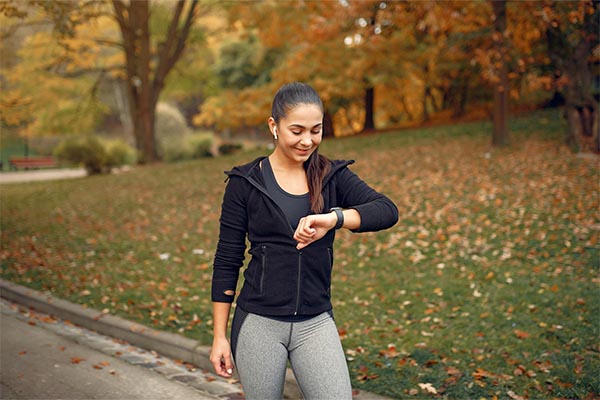
With so many options available, how do you choose the best fitness tracker? Consider your lifestyle and goals. If you’re focused on general health, a simple fitness tracker watch that monitors steps and heart rate may be sufficient.
For athletes or fitness enthusiasts, a smart watch fitness tracker with advanced metrics like VO2 max, recovery times, and training load could be the better choice. Similarly, those who want all-day convenience may prefer sleek health tracking devices with longer battery life and waterproof design.
Conclusion
Fitness trackers are more than gadgets — they’re partners in your journey toward better health. From tracking workouts and sleep to offering personalized insights, these devices empower you to take charge of your well-being. By learning how to use them effectively, you’ll find yourself more motivated, accountable, and in tune with your body.
At NineFit, we offer the latest fitness trackers, smart watch fitness tracker models, and health tracking devices to help you live a healthier, more active life.