
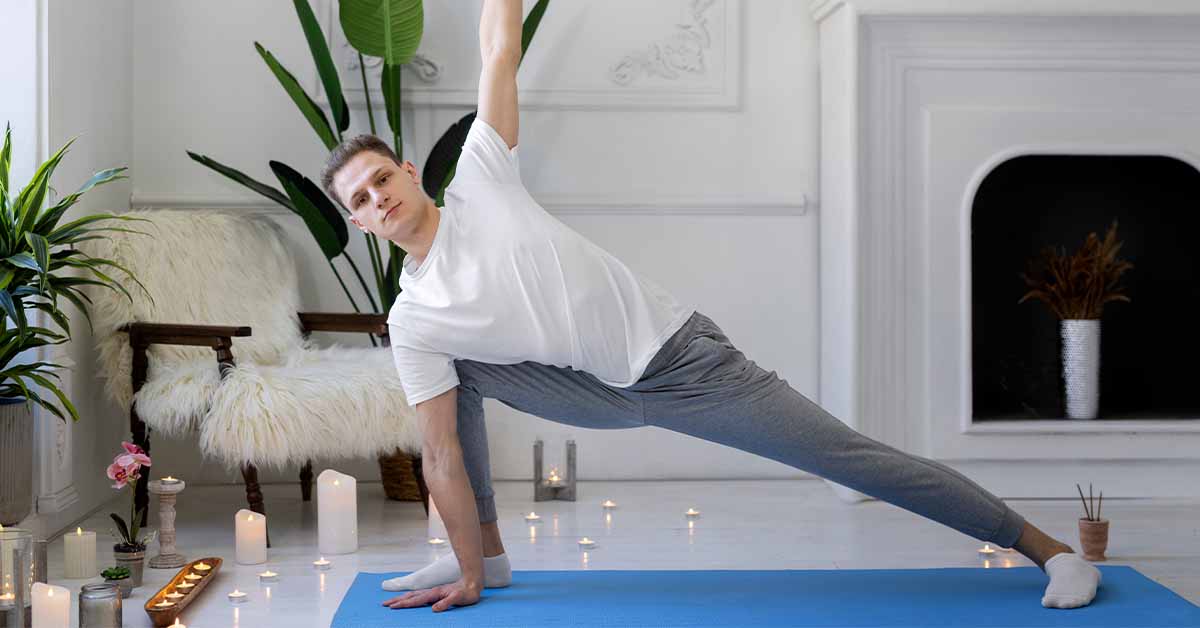
Modern life brings constant deadlines, distractions, and demands—making stress management essential for mental and physical health. One of the most effective and natural ways to manage stress is through physical activity. Whether it’s a brisk walk, a yoga flow, or a strength-training session, movement offers profound relief for a tense body and a racing mind.
Physical activity promotes endorphin release, improves sleep, and creates a natural rhythm for daily stress management. Unlike stress medication, which may provide temporary relief, movement builds resilience, balance, and long-term emotional stability. From relaxing activities to targeted movement that shows how to relax your muscles, this guide helps you take control of stress—one workout at a time.
Why Physical Activity Is a Powerful Tool for Stress Management
Regular physical activity doesn’t just tone muscles—it also acts as a proven stress buster. When you’re active, your body produces endorphins, often called “feel-good” hormones. These natural chemicals elevate mood, reduce anxiety, and improve focus.
In addition to chemical changes, movement boosts your confidence and promotes better sleep. Sleep, in turn, plays a key role in stress management, allowing your brain to process emotions and regulate hormones.
Movement also shifts your focus away from stressful thoughts. Whether you’re lifting weights or dancing in your living room, your attention turns to your body, your breath, and the rhythm of movement. This mindfulness effect is one of the biggest stress away benefits of staying active.
Best Relaxing Activities for Daily Stress Relief
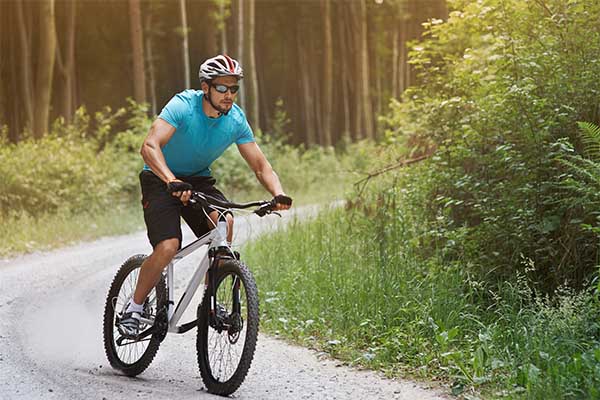
You don’t have to run marathons to experience the calming effects of movement. These relaxing activities offer gentle ways to keep stress levels in check while improving physical health:
1. Walking Outdoors
A daily walk, especially in nature, lowers cortisol (stress hormone) levels and boosts mood. Just 20–30 minutes of walking can dramatically reduce tension.
2. Stretching and Yoga
Stretch-based routines like yoga or mobility drills show you how to relax your muscles while calming the mind. Yoga combines breathwork with mindful movement, reducing stress and anxiety.
3. Swimming
The water has a meditative effect on the body. Swimming is not only great for cardiovascular health but also a superb stress buster.
4. Cycling
Whether indoors or outdoors, cycling increases circulation and releases endorphins. It also provides rhythmic movement that’s soothing to the nervous system.
How to Relax Your Muscles After a Long Day
Physical stress often shows up as muscle tightness, tension headaches, or back pain. Learning how to relax your muscles with movement and recovery techniques can help release built-up tension and restore calm.
Start with light stretching, focusing on the neck, shoulders, and hips—common areas where stress hides. Use foam rollers or massage tools to break up knots and trigger points. Incorporate breathing exercises to deepen your relaxation.
Practicing progressive muscle relaxation—where you tense and release muscle groups one at a time—is another great technique. It improves body awareness and supports both mental and physical stress management.
The Connection Between Stress Management and Consistency
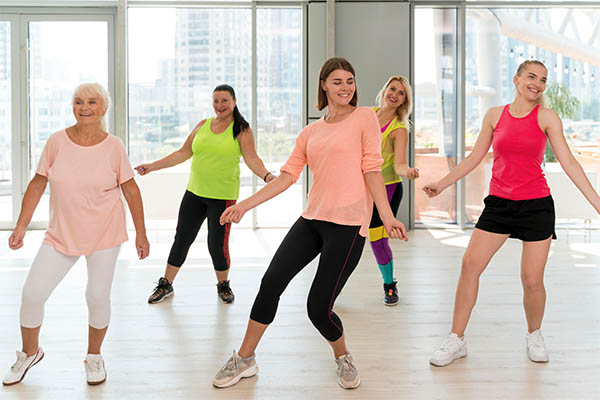
Consistency is key in any wellness routine. While one workout may lift your mood temporarily, consistent physical activity creates lasting change. Studies show that people who move regularly experience fewer symptoms of depression and anxiety than those who are inactive.
This doesn’t mean you need to do high-intensity workouts every day. The goal is to make movement a lifestyle habit. Find what brings you joy and make it part of your routine. Whether that’s dancing, hiking, strength training, or a morning stretch, consistency in movement drives effective stress management.
Why Physical Activity Is Better Than Stress Medication (In Many Cases)
While stress medication can help in clinical or chronic cases, many people can reduce their reliance on medication through physical activity and holistic stress relief methods. Unlike pills, exercise treats the root causes of stress, such as hormone imbalance, sleep disruption, and negative thought patterns.
In addition, physical activity has no side effects when practiced safely. You get the added benefits of better heart health, stronger muscles, and increased confidence. For long-term emotional health, movement proves more effective than temporary fixes.
Of course, if you’re taking stress medication prescribed by a doctor, never stop without consulting them. But pairing your treatment with movement can amplify your healing and support a balanced lifestyle.
Mental and Emotional Stress Away: Benefits of Exercise
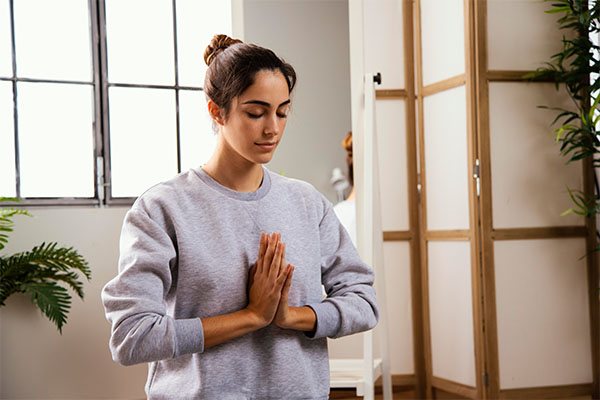
The stress away benefits of regular physical activity go far beyond muscle strength. Mentally, it improves focus, memory, and mental clarity. Emotionally, it increases self-esteem and lowers mood swings.
Exercise helps process and release emotions, especially when paired with practices like journaling or meditation. It becomes a channel for stress release, helping you shift energy in a healthy and productive way.
Making Stress Management a Lifestyle with NineFit
You don’t need fancy equipment or hours of free time to take charge of your stress. All it takes is the commitment to move, even a little, every day. Find what works for you and explore new forms of relaxing activities. Notice how your body and mind respond to different types of movement, and adapt your routine as needed.
Prioritize sleep, hydration, and nutrition alongside movement for full-spectrum wellness. Don’t wait for stress to take over—use physical activity as your first line of defense. It’s natural, accessible, and empowering.
Take the First Step Toward a Calmer You
Stress management doesn’t have to be complicated. It starts with a choice: to move your body, breathe deeply, and care for your well-being daily. By using physical activity as your go-to stress buster, you build resilience, peace, and lasting energy.
Explore the right tools and fitness equipment to support your journey at NineFit—because managing stress starts with taking the first step.