

Staying physically active in your 50s is essential for maintaining strength, flexibility, and overall health. As you age, your body undergoes changes, making it even more important to follow a well-rounded fitness routine. Regular exercise helps manage weight, supports heart health, and reduces the risk of chronic diseases. However, many people over 50 struggle with finding the right balance between staying active and avoiding injury. Whether you are just starting your fitness journey or looking to refine your routine, these fitness tips will help you stay strong and energetic.
How Often Should You Exercise in Your 50s?
One of the most common questions is how often you should exercise to maintain good health. The American Heart Association recommends at least 150 minutes of moderate aerobic activity or 75 minutes of vigorous activity per week. This translates to about 30 minutes a day, five days a week. Strength training exercises should also be included at least two times a week to preserve muscle mass.
While it may be tempting to start working out 7 days a week, rest and recovery are just as important as exercise. Overtraining can lead to muscle strain, joint pain, and exhaustion. Instead, focus on a combination of cardio, strength training, and flexibility exercises while allowing your body enough time to recover.
Recommended Exercise by Age: Best Workouts for 50+
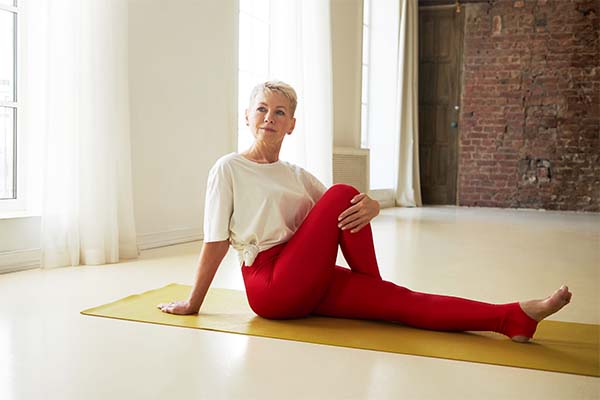
As you enter your 50s, your body may take longer to recover from intense workouts. This is why a balanced routine is essential. Here are some of the best workouts for those over 50:
- Cardio Workouts: Walking, swimming, cycling, and dancing improve heart health without excessive strain on joints.
- Strength Training: Weightlifting, resistance bands, and bodyweight exercises help preserve muscle and bone density.
- Flexibility and Mobility: Yoga and stretching improve balance, flexibility, and prevent stiffness.
- Low-Impact Workouts: Pilates and tai chi enhance core strength, balance, and posture.
The key to staying fit after 50 is consistency and variety. Incorporate different forms of exercise to avoid boredom and overuse injuries.
Strength Training: The Secret to Staying Fit at 50
Muscle mass naturally declines with age, but strength training slows down this process. If you are working out in your 50s, focus on compound exercises such as:
- Squats
- Lunges
- Push-ups
- Deadlifts
- Shoulder presses
Strength training should be performed two to three times per week, with at least one day of rest between sessions. Always prioritize proper form to prevent injuries.
Can You Be Fit After 50 Without High-Intensity Workouts?

Absolutely! High-impact exercises like running or jumping are not necessary to stay fit at 50. Instead, opt for moderate-intensity exercises such as brisk walking, swimming, or rowing. These activities boost cardiovascular health while being gentle on the joints.
Additionally, engaging in functional exercises such as step-ups, single-leg balances, and core workouts improves daily movements and reduces the risk of falls.
How to Stay Motivated While Working Out in Your 50s
Sticking to a fitness routine can be challenging, but these strategies can keep you motivated:
- Set realistic goals and track progress.
- Find a workout buddy for accountability.
- Choose activities you enjoy.
- Mix up your routine to prevent boredom.
- Listen to your body and adjust workouts as needed.
Building a habit of regular exercise makes it easier to stay active in the long run.
The Role of Nutrition in Fitness Over 50
Exercise alone isn’t enough to stay fit at 50—proper nutrition plays a vital role in maintaining energy, muscle strength, and overall health. Prioritize lean proteins, such as chicken, fish, beans, and tofu, to support muscle repair. Include fiber-rich foods like whole grains, fruits, and vegetables to aid digestion and keep cholesterol levels in check. Staying hydrated is equally important, as dehydration can lead to fatigue and joint pain. Additionally, calcium and vitamin D are essential for maintaining strong bones, reducing the risk of osteoporosis as you age.
Listen to Your Body and Prevent Injuries
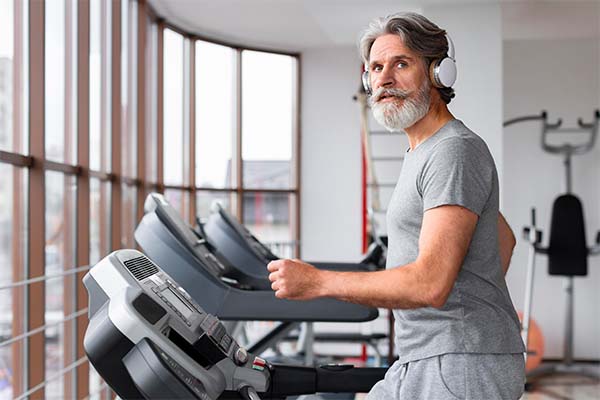
Being physically active in your 50s is beneficial, but pushing too hard can lead to injuries. Pay attention to warning signs like persistent pain, swelling, or extreme fatigue. If you experience discomfort, modify your workouts or take a rest day. Incorporating warm-ups and cool-downs before and after workouts helps prevent muscle strain. Low-impact activities such as yoga and stretching can also improve flexibility and reduce stiffness. Remember, fitness is a lifelong journey—stay active, but always prioritize your well-being.
Conclusion
Aging does not mean slowing down. With the right fitness tips, you can stay strong, energetic, and healthy in your 50s and beyond. Prioritize a mix of cardio, strength training, and flexibility exercises, while allowing enough time for rest and recovery. Staying consistent and listening to your body is the key to achieving lifelong fitness.
Start your fitness journey in your 50s today with the right gear and support. Visit NineFit for top-quality fitness equipment and accessories designed for every stage of your fitness journey!