
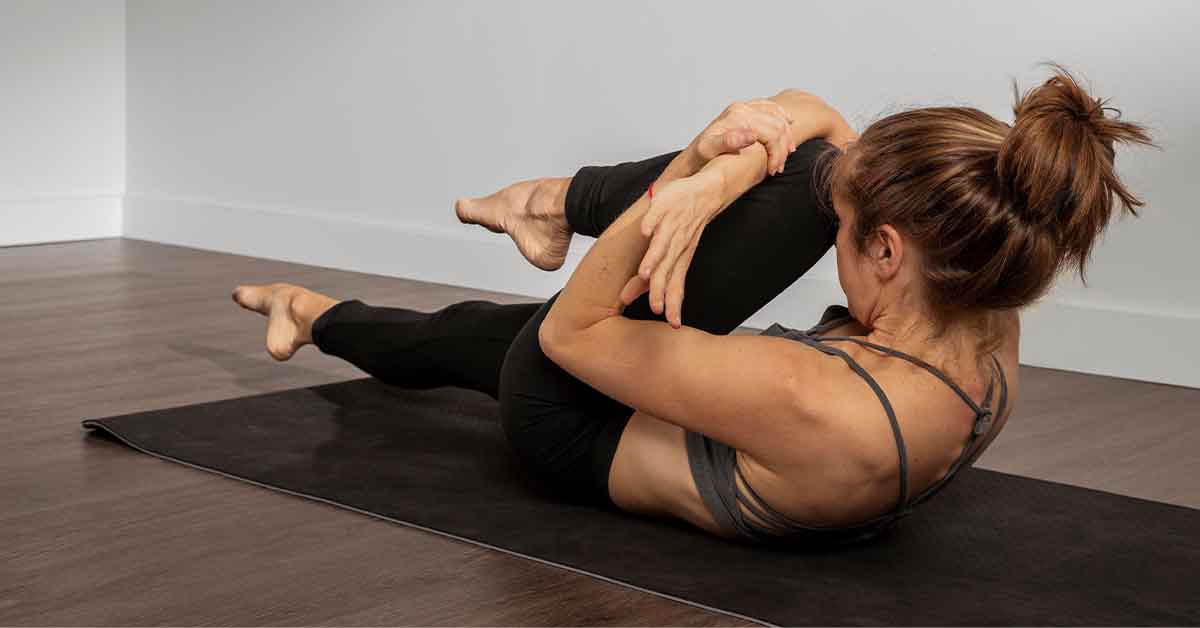
This blog has mentioned yoga several times before, and we consistently mention what a great way it is to improve circulation, flexibility, and general wellness. However, this time, we’re going to be talking about something just as important as the benefits: the potential risks. Is yoga good for you? Absolutely. However, overdoing anything will end up being harmful, and overdoing yoga is no exception.
As with any workout, it’s important to pace yourself and listen to what your body is telling you during your yoga sessions. Failing to do so can lead to some pretty serious consequences. At the same time, it’s easy enough to avoid these negative outcomes. We felt it was important to touch on a few of the most important risks of overdoing yoga to watch out for.
Strains and Sprains
The goal of yoga exercises, like most exercises, is to push the limits of what your body can do. Gradually increase those limits with time, effort, and practice. Of course, it goes without saying that this isn’t easy on your body, and overdoing it is bound to cause some sort of injury. Aside from the obvious pain and unpleasantness of a workout-related injury, getting hurt will force you to rest. Undoing the progress you had made previously. In addition, there’s always a small chance that you won’t heal correctly, leading to chronic pain and even more difficulty recovering your progress. The chance of this happening increases with successive injuries. So it’s better to avoid starting this vicious cycle entirely by taking breaks when you need them.
Muscle Fatigue

Of course, you’ll run into some unpleasant symptoms before a full-blown injury. Most notable among them is muscle fatigue. If you’ve pushed your muscles to their limit, they need time to rest and recover before being used again. If you try to push yourself again immediately after a previous yoga session, you may notice yourself feeling weaker or having a bit less mobility than normal. Pushing past this point is when the injuries usually occur. So if you start feeling fatigue, take a break for a day or two.
Diminishing Returns
Generally, the more you work out, the greater the benefits are. However, this is only true to a certain extent, and doing any workout, yoga included, excessively working out will start to have some diminishing returns. That to say, you may still be able to benefit, but the benefits proportional to your effort will continue decreasing. Plus, once you’ve reached the point of exhaustion, you’ll likely start doing more harm than good, as we covered above.
Excessive Strain on Joints

Yoga exercises are designed to increase your flexibility and mobility, which means that they naturally target your joints. Joint health is extremely important, especially as you start to get older. Joints facilitate every day movement, so neglecting your joint health will lead to mobility issues later in life.
Many people start practicing yoga to preserve their joint health, but if you overdo it, it could have the opposite effect. The muscles and tendons that attach to your joints can be strained through overdoing yoga exercises, leading to injuries. These joint injuries can lead to long-term harm and chronic pain, so it’s extremely important to avoid them for the sake of your mobility and long-term health.
Worsening of Existing Injuries
After a joint injury, some people may start practicing yoga to prevent new injuries from occurring, but it’s extremely important to give those injuries time to heal fully. Overdoing yoga may exacerbate these injuries, and may even cause old injuries that have healed to flare up again.
How Often Can You Do Yoga?

So, if you want to avoid all of these drawbacks, how far should you space out your yoga sessions? It largely depends on how experienced you are with yoga. Going all-out from the start will cause heavy strain, and may even lead to injuries. Instead, you should start slow, and increase the frequency and intensity of your yoga sessions from there.
For starters, try doing 1-2 hour-long yoga sessions a week. Once you feel comfortable with that amount, increase it to 3-4. From there, you could even go as high as 5, though we don’t recommend doing much more than that, as those extra two days will give your body time to rest and recover in between sessions.
Looking for more great fitness tips, tricks, and products? Come and visit our site at NineFit today!